Meet a few of the youngest stars of YA fantasy & sci-fi fiction writing

Do you ever have a story in your head that feels so huge, so epic, that you think, “Who am I to write this?” It’s a feeling a lot of writers have, especially when they’re young. But some of the most groundbreaking, imaginative, and successful books in recent years were written by authors who weren’t much older than their target audience. They prove that you don’t need decades of life experience to build a new world from scratch. All you need is a powerful idea and the drive to see it through.

Let’s get inspired by a few of the youngest authors who took the YA science fiction and fantasy world by storm.

Christopher Paolini, author of Eragon

  • Breakout Age: Paolini started writing Eragon at just 15 years old. It was famously self-published before being picked up by a major publisher, when he was 19.
  • The Hit Book: Eragon, the first book in The Inheritance Cycle, became a global phenomenon. A classic farm-boy-finds-a-dragon-egg story, it was everything an epic fantasy fan could want.
  • What Made It Special: Eragon is a masterclass in ambition. Paolini wasn’t just writing a story; he was building a massive world with its own languages, history, and rules of magic. He proved that a teenager could not only write a novel, but could command the epic scale and intricate detail that the genre demands, inspiring a whole generation of young writers to dream bigger.

Veronica Roth, author of Divergent

  • Breakout Age: Roth famously wrote Divergent during her senior year of college. It was published when she was just 22 years old.
  • The Hit Book: Divergent kicked off a series that became a cornerstone of the YA dystopian boom. It tells the story of Tris Prior, who lives in a futuristic Chicago where society is divided into five factions based on human virtues.
  • What Made It Special: Divergent‘s genius lies in its powerful central metaphor. The faction system was a brilliant and instantly relatable way to explore the intense pressure teens feel to fit in and define their identity. It tapped directly into that universal high school question: “Where do I belong?” The psychological trials were a unique and thrilling way to explore character depth and courage.

Tomi Adeyemi, author of Children of Blood and Bone

  • Breakout Age: Adeyemi was 23 when her debut, Children of Blood and Bone, landed one of the biggest publishing deals in YA history.
  • The Hit Book: Children of Blood and Bone is a soaring epic fantasy that follows Zélie Adebola as she attempts to bring magic back to her oppressed people.
  • What Made It Special: This book was a cultural landmark. Adeyemi wove West African mythology and Yoruba spiritual traditions into a powerful, action-packed fantasy that felt both classic and revolutionary. It tackled deep themes of oppression, race, and identity with a fiery passion that resonated with millions of readers. Adeyemi showed the immense, world-changing power of telling stories that had been left off the fantasy map for far too long.

The next time you sit down to write and that little voice of doubt creeps in, just remember these authors. They didn’t wait for permission to build their worlds. Your age isn’t a barrier—it’s your superpower. You have a voice and a perspective that no one else has.

So go write that story. We’re all waiting to read it.

SIDE QUEST: So you’re the chosen one. Here’s how to procrastinate responsibly.

Welcome to Side Quest, a new series of posts I’ll share on my blog from time to time that give you a peek into the weird ‘what if’ scenarios and playful thought experiments I use to keep my imagination fired up when I’m taking a break from my latest novel.This is the very first one, and I hope it gives your own creative brain a fun little jolt!

It finally happened. The glowing amulet pulsed in your palm, the talking squirrel delivered his cryptic prophecy, or maybe the birthmark on your arm started looking suspiciously like a map to the Lost City of Gorgonzar.

Congratulations. You’re the Chosen One. An ancient evil is stirring, a galactic empire is threatening the Outer Rim, and you—yes, you, the person who considers finding matching socks a major victory—are the only one who can stop it.

There’s just one problem. You have a history final on Tuesday, your favorite show just dropped a new season, and that pile of laundry in the corner is one t-shirt away from achieving sentience. Destiny is calling, but your phone is buzzing with notifications that feel just a little more urgent.

Don’t panic. This isn’t a guide on how to save the world. This is a guide on how to put it off… responsibly. Welcome to the art of Strategic Destiny-Delaying.

Step 1: Re-evaluate your priorities with the tier system of impending doom.

Sure, the Shadow Overlord Xylos is planning to blot out the sun. That sounds bad. But will he give you a detention that goes on your permanent record if you don’t finish your book report on Ethan Frome? No. Your teacher, Mrs. Davison, will.

Create a simple chart. In one column, list your epic quests (“Vanquish the Serpent King,” “Find the Seven Shards of Light”). In the other, list your real-life tasks (“Walk the dog,” “Finish algebra homework”). The task that will result in immediate, tangible consequences (i.e., parental grounding or a failing grade) wins. The fate of the universe has been around for billions of years; it can wait until after dinner.

Step 2: Disguise your training as household chores.

No one can accuse you of slacking off if you’re being productive. You just have to reframe it.

  • Are you sweeping the kitchen floor? No, you are practicing staff combat with the Legendary Broom of Tidiness.
  • Just folding clothes? Think again. You’re actually inscribing protective sigils into the very fabric of your armor to ensure it withstands the rigors of the coming quest (to the movies).
  • Are you practicing your heroic “I’m here to save you!” entrance in the bathroom mirror? That’s just good personal hygiene and confidence-building.

Step 3: Conduct extensive “lore research.”

Your quest will require immense knowledge of past heroes, battle tactics, and plot twists. How does one acquire this knowledge? By watching hours of television, of course.

That eight-season fantasy epic isn’t a distraction; it’s a historical document. You’re studying the effectiveness of plot armor, analyzing the classic “unlikely friendship” trope, and taking notes on what not to do when facing a dragon. When your parents ask what you’re doing, simply look at them with grave importance and say, “I’m studying the archives.”

Step 4: Engage in strategic fellowship vetting.

You can’t face the Dark Lord alone. You’ll need a ragtag team of loyal companions. But choosing them is a delicate process that requires careful observation in a casual setting.

Are you going to get fudge with your best friend? No. You are assessing their suitability for the “comic relief with a heart of gold” role. Does their choice of toppings show a bold, decisive nature? Are they willing to share, proving their loyalty? This isn’t just hanging out; it’s team-building.

So go on, Chosen One. The world will still be there waiting to be saved when you’re ready. Probably. In the meantime, that new season isn’t going to watch itself.

Beyond the pale elf: 5 fantasy recs with representation

And hey, I love that guy! But when that’s the only model available, a lot of us are left staring at the screen thinking, “Uh, none of these look like me.” You can’t find your reflection, and it’s hard to feel like the hero of the story when you can’t even see yourself on the screen.

This is why we talk about books as “mirrors and windows”—they give us a chance to see ourselves (a mirror) and to understand someone else’s world (a window). Thankfully, today’s authors are blowing the doors off the old character creator. They’re adding every possible option, background, and skill tree, finally making fantasy a world where everyone can be the hero.

If you’re looking for amazing adventures with fully expanded character-creation sliders, here are five books that are getting it right.

1. Emily Wilde’s Encyclopaedia of Faeries by Heather Fawcett

This cozy and brilliant adventure offers a mirror for anyone who’s ever felt more at home with books than with people. The protagonist, Emily Wilde, is a genius Cambridge scholar who is logical, driven, and—to put it mildly—socially awkward, and she is widely embraced by readers as a fantastic representation of neurodiversity. Her academic approach to studying dangerous fae is a hilarious and heartwarming window into a mind that works differently, proving that methodical rigor can be its own kind of magic.

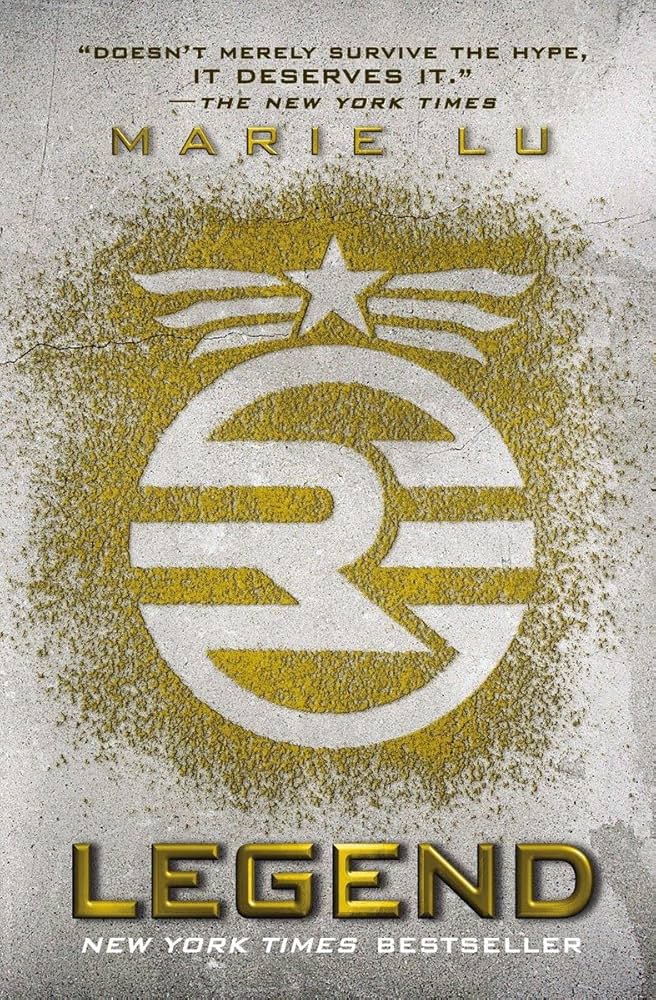
2. Legend by Marie Lu

Some of the most important windows books can offer are into perspectives we might not otherwise understand. In the dystopian Republic, we follow June, a military prodigy from an elite family, and Day, a boy from the slums who is the nation’s most wanted criminal. By putting us in both of their heads, Legend becomes a masterclass in empathy, showing how two people on opposite sides of a societal war can both be heroes in their own stories.

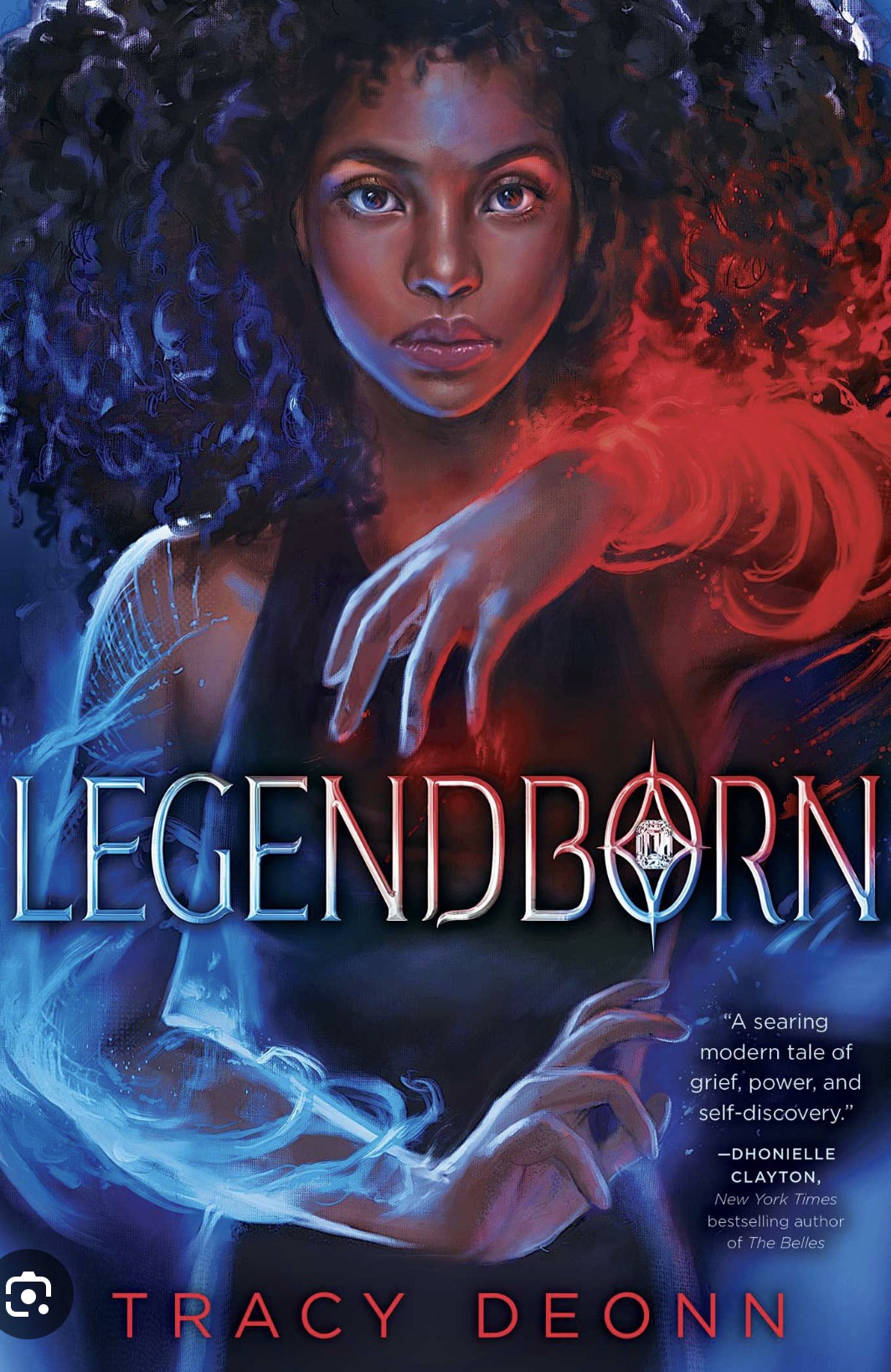
3. Legendborn by Tracy Deonn

Screenshot

When sixteen-year-old Bree Matthews’s mother dies, she uncovers a secret magical society based on Arthurian legend and realizes her own family history holds a powerful magic of its own. Legendborn is a stunning mirror for Black girls who love fantasy, weaving Southern culture and the history of slavery into the very fabric of magic. It’s also a vital window for every other reader, powerfully reframing a classic legend to create something wholly new and deeply necessary.

4. The House in the Cerulean Sea by T.J. Klune

This book is a warm hug for anyone who has ever felt like an outsider, and it’s a particularly powerful mirror for LGBTQ+ readers looking for gentle, hopeful fantasy. It follows a by-the-book caseworker, Linus Baker, as he investigates an orphanage of magical children and discovers the transformative power of found family. It’s a beautiful and tender story about choosing kindness over prejudice and finding where you truly belong..

5. Fourth Wing by Rebecca Yarros

This book is an absolute phenomenon, and one of its most powerful elements is its main character, Violet Sorrengail, who lives with a chronic illness that makes her body more fragile than others. In a brutal dragon-riding war college where weakness is a death sentence, Violet’s fight to not just survive but thrive is an incredible mirror for anyone living with a disability or chronic condition. It’s a fierce, powerful story about finding strength in resilience, not just in physical ability.


These books are more than just great stories; they are proof that the best fantasy reflects everyone. They create a world where more of us can see ourselves as the hero, ready for our own adventure.

What books have been powerful mirrors for you? I’d love to hear about the stories that made you feel truly seen in the comments below!

2020 Cover Art Trends for Young Adult Fiction

The first thing you hear when you’re reading advice on how to make your self-published novel sell is to have a professional cover that fits into the genre you are writing for. But what’s left out of that advice is that cover trends change over time. Whether you’re ready to launch a new release or you’re looking to reinvigorate your backlist with a fresh new cover, it’s critical to be sure that you’re leveraging cover art that is appealing to the young adult audience of today (not five years ago).

Cover art contests are regularly run by several self-publishing sites, such as The Book Designer. These sites can be great resources for inspiration or to get visibility for your own book by entering your cover into one of the free contests. Another way to check the pulse of cover art is to look at best sellers in your genre to see what your audience is clicking on. It’s good to know what’s working, but also don’t be afraid to make your cover different so that it pops out at the reader who’s scrolling through dozens of books.

For the young adult audience, below are five key cover art trends in 2020 that are compelling readers to click “Buy”. Proof that they work? I know that I bought more than one of these titles because I had to see what was inside the pages.

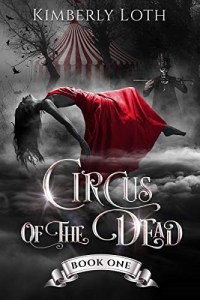
Trend 1: Grabbing the eye by using grayscale with a pop of color

Example: Circus of the Dead by Kimberly Loth


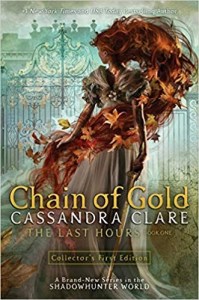
Trend 2: As a variation on the example above, muted palettes are leveraged for a dreamy, fantastical appeal.

Example: Chain of Gold by Cassandra Clare


Trend 3: Intriguing readers with a glimpse of something beautiful and mysterious

Example: Ember Queen by Laura Sebastian


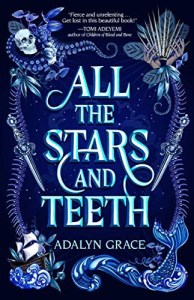
Trend 4: Pairing vibrant color and detailed graphics to make the viewer take a closer look.

Example: All the Stars and Teeth by Adalyn Grace


Trend 5: Pairing opposites (like death and beauty) compels readers to take a second look

Example: The Queen’s Assassin by Melissa De La Cruz


What cover art tactics have you seen work well, either on your book or others?

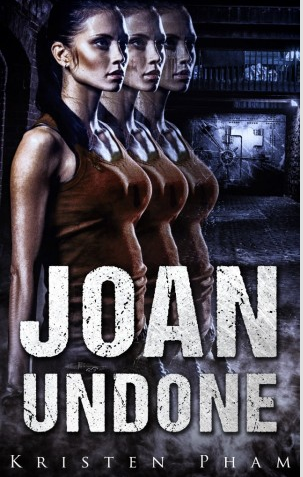
Joan Undone Launches Today! (Book 2 – The Throwbacks Series)

I’m excited to announce that Joan Undone, the second book in my young adult sci-fi series, is now published on Amazon. If you pre-ordered it, you should already have it. If you want to pick it up now, click here. (You can also read the first chapter free here.)

Joan Undone is the second book in The Throwback Series. The first book, Joan the Made, tells the story of Joan Fasces’, who discovers that she is cloned from the famous Joan of Arc on her eighteenth birthday. But being cloned in America comes at a steep price. Segregated and oppressed, clones are forced to act as docile servants to the rest of the Evolved population. Joan can either run from her fate and spend the rest of her life in hiding, or she can join a Throwback rebellion populated by clones of the greatest leaders in history.

If you love edgy young adult fiction like Hunger Games, Ready Player One, or Divergent, give this series a try.

Joan Undone Book Description:
Throwback anger has been unleashed, and the streets of Seattle run with Evolved blood. Joan and her friends, who unwittingly helped ignite this violent uprising, know that they must be the ones to end it.

But stopping the momentum of a movement powered by rage and masterminded by one of the greatest villains in history may be more than even Joan can overcome. In order to stand a chance, Joan decides to temporarily join forces with Strand, the company responsible for institutionalizing oppression against the Throwback people.

With agendas and enemies on every side, Joan and her team must harness their ingenuity and learn to trust each other if they stand a chance of turning the tide of violence sweeping across their city.

Sneak Peek of Joan Undone

The second book in The Throwbacks Series, Joan Undone, will be live on Amazon May 29. You can buy it on pre-order now by clicking here. If you enjoyed Joan the Made, come check out the next stage of her epic adventure. I’ve posted the first chapter of Joan Undone below to get you ready!

Chapter 1

On a street in White Center that’s lined with crumbling buildings and overflowing trash cans, a small crowd of Throwback clones in worn clothes jostle each other with playful companionship, as if their favorite football team has won the Super Bowl. They are all streaked with the same war paint, which is spattered across their clothes and drying on their knuckles.

The light-hearted back-slapping and high-pitched laughter are at odds with the gruesome reality of the blood that stains the sidewalk bright red and rusty brown. It belongs to Windsom Carter, a politician who voted against Throwback rights. His motionless form is contorted, and large bruises disfigure his face. His utter stillness can only mean one thing. He’s dead.

It’s an effort to push back against a dizzy rush of emotions. The first time I’d seen someone beaten to death since this madness began, I cried, puked my guts up, and was awake for days. Now, I can catalog every detail of the scene that might be useful later, and stuff my horror, rage, and sadness down deep, to process at some future time when the world makes sense again.

Angry mobs of Throwbacks—often instigated by my ex-mentor Crew and his team of rebels—performing vigilante executions of those whose DNA has “evolved” is a reality of life in Seattle now. It began when the Evolved Seattle Police Department’s files were hacked a few weeks ago. Information from every case, open and closed, that passed through their doors became accessible to the public.

Data spilled across the web, and Throwbacks everywhere downloaded file after file, absorbing the magnitude of crimes that the Evolved had been allowed to perpetrate against Throwbacks in their city for years. Hundreds of rapes, beatings, robberies, and even murders had been buried or ignored by corrupt police officers. The streams of ones and zeros were analyzed and decoded, and the anger of Throwbacks everywhere—my people—ratcheted higher and higher.

Crew’s impassioned speeches and calls to action on his vlog became the highest-viewed vids in the country. His supporters even start wearing copies of his signature-style piece, a red armband that glows with embedded lights.

“In a victim-abuser dynamic, it is only the victim who can break the cycle by refusing to accept a culture of violence and exploitation,” he said in a vid that I know by heart. “The Evolved will give us nothing, not even justice. So we must take our vengeance.”

My team and I suspect that Crew personally sent data to families of the victims of some of the worst crimes. The first wave of murders by Throwbacks was horrifying, but the “victims” included serial rapists, brutal politicians, and violent police officers. Or so Crew said. Without a trial, the truth of their guilt will never be known.

As for Windsom Carter, Crew’s assertion that he deserved to die because of the laws he crafted to limit Throwbacks’ rights put a target on his back. He didn’t deserve the ending he got, by any measure.

I video the crowd as they disperse in hopes of tracking down these murderers later and bringing at least some of them to justice. Saving any more Evolved from falling victim to Crew’s brutal executions is my atonement for my mistakes, proof to myself that what I helped destroy can be rebuilt. I had no idea that my work with Crew last summer would be used to launch a violent rebellion that is ripping my city apart. But ignorance is no excuse, and I will not stop fighting Crew until his rebellion is dismantled.

Maybe tomorrow, I won’t be too late.

The crowd’s merriment vanishes as quickly as it erupted. I’d question if their relish for death was real if this was the first time I’d seen it. But as happens every time, their usual gloom returns to their gaunt faces before they’re out of sight. Bloodlust only distracts them from the hunger in their bellies for a little while.

A woman tugs her tattered sweater around her shoulders as she hurries down an alley, the beginning of a question in her eyes. Another man absently rubs the blood on his hands onto his pants, leaving dark streaks. He checks the time on his phone. He wouldn’t want to be late for work.

A delicate monarch chrysalis hangs from the tree branch I’m standing beneath. Inside, an innocent caterpillar is dissolving into goo as it transforms into something beautiful. But the sight of it reminds me of the other Chrysalis, the headquarters of Crew’s evil empire, and I barely resist the temptation to smash it.

High-pitched, wailing sirens snap me out of my thoughts, and I disappear into the closest entrance to the Lab, leaving the body and the stained sidewalk behind.

~ ~ ~

Underneath Seattle, in the labyrinth of tunnels that spiderweb out from the heart of the city, the air has a welcome chill that calms me. I make my way through the Lab to the door that leads to the Bunker, command central for my team, where we work to take down Crew and stop the violence that we helped spark across our city.

Inside the Bunker, Marie and Harriet are alone, poring over street maps on Marie’s oversized tablet. They are my best friends, and two of the brightest minds in the world. Not just because they’re cloned from Marie Curie and Harriet Tubman, but because they understand how to look at problems from angles most people would never think of, and they have the courage to take action when most people would run and hide.

Harriet looks up at my arrival, and the frown lines bracketing her mouth deepen as she takes in my expression. I send the vid files from my phone to Marie’s tablet, and together, we watch the gory scene from the streets above.

“A group of Throwbacks must have stalked Mr. Carter and corralled him into a less crowded part of the city,” Marie surmises. “I’ll run facial recognition software on the crowd to see if we can get a positive ID on anyone.”

“There are too many people for it to have been a few stalkers,” Harriet says, her usually warm brown eyes narrowed in disgust. “Other Throwbacks must have seen what was happening and joined in.”

I bury my head in my arms and let my shoulders slump. Another day, another defeat. The gentle pressure of Harriet’s hand on my shoulder grounds me. It’s rare for the Bunker to be empty, so for once, I allow myself a moment of weakness.

Later, it will get crowded as everyone trickles back from the missions that have been set for them. Monitoring news feeds, keeping a watch on the Chrysalis for activity, and chasing down any reports of violence in our city is all-consuming.

There aren’t enough of us to make a dent against Crew’s organized strikes and angry Throwback mobs calling for a revolution—and demanding blood. Our team has prevented a few executions and beatings, but the violent momentum pushing Seattle toward chaos only grows.

The National Guard will be sent soon, and I’m starting to think it might be for the best, even though they’re sure to lock up some innocent Throwbacks. Someone needs to restore order.

I lean my head back against my chair, shutting my eyes. Images of Windsom Carter’s distorted body rise in my mind, and I shove them back down. Later.

“What happened? Is she okay?” Nic’s voice jerks me out of my stupor.

His pale, angular face hovers above me, and I try to decide whether it’s concern or annoyance in his narrowed eyes.

“I’m fine,” I say.

“You need to sleep. You’re going to make a stupid mistake if you don’t get some rest.”

“I should listen to you, Machiavelli. You know a lot about making stupid mistakes,” I reply, regretting my words as Nic’s face freezes and the warmth in his eyes dims.

“You’re enough of a bitch fully rested. Go sleep before you say something that makes one of us kill you,” Nic retorts.

“Soon,” I allow, eyeing his messy hair and the shadows under his eyes.

None of us is sleeping well anymore, though we never talk about it.

My phone buzzes with a message from Justus.

On my way back to you. I’ve got news.

I’m unaware of my smile until Nic speaks. “Let me guess. Message from Captain America?”

I’d never admit it to Nic, but he’d come up with the perfect nickname for Justus. He’s just as honorable, brave, and gorgeous as the fictional Captain America. The perfect guy, at least to me. But as unattainable as the cartoon character because he is Evolved, and sexual contact between us would kill me.

The door swings open, but it’s Elizabeth and Sacajawea who come in, not Justus. They are our eyes and ears inside of the Chrysalis, spying on Crew.

I immediately sit straighter. “What have you found?”

“Let them catch their breath,” Harriet says, giving me a scolding glance.

Harriet brings Elizabeth tea from the food and drink dispenser, and Elizabeth takes it without thanks. Typical. I wonder if the original of her clone type, Elizabeth I, had better manners.

While Elizabeth and Sacajawea get settled, Sun emerges from our paltry armory. He may get his strategic mind from Sun Tsu, the author of The Art of War, but his warmth and insights are all his own.

“Is there news from above?” Sun asks, his dark eyes assessing Elizabeth’s face like it’s code that only he can read.

She takes a deliberate sip of her tea before speaking. “Crew is planning to raid the Evolved police headquarters. They are going to slaughter the officers and take possession of all the weapons in their armory.”

The Bunker goes quiet.

Even Marie looks up from the tablet she is usually glued to. “Do they have the people and the weapons to do that?”

Sacajawea’s eyes dart to each of our faces. “Yes.”

“What’s his plan?” I ask.

“No one at our level is given that information,” Elizabeth says, eyeing me like I’m an idiot. “But I expect that he plans to use poor, angry Throwbacks off the streets as the first line of offense. Their blood will pave the way for Crew’s real soldiers.”

“There must be more to the plan than that,” Nic says. “He’ll have a contact inside the station. He wouldn’t risk an outright attack unless he was sure of the outcome.”

“I suspect he has many contacts inside the station,” Sun says, leaning forward, giving us a better view of the intelligence behind his dark eyes.

“Does that mean this attack is unstoppable?” Marie asks, shaking her frizzy hair out of her eyes.

She’s the only one who allows her fear to show. The rest of us eye each other, stone-faced.

“We’ll have to warn them,” a low voice says.

I whip my head around and see that Leo, a professor from Seattle Secondary and clone of Leonardo da Vinci, is tapping his index finger against the wall of the Bunker. Everyone in the room has been his student at one point or another, and our tension eases by a fraction. It’s a deep comfort and relief to have at least one brilliant, experienced member of our group who shows up every night to keep us on track.

“The Evolved police will not believe that their headquarters can be taken, and suggesting that they have traitors in their midst will enrage them,” Sun says, and our faces swing to Leo to hear his reply.

“They will listen if they hear it from one of their own.”

The door to the Bunker opens again, and Justus steps through. His presence lights up something in me that had gone dark this afternoon as I’d stared at the spreading stain on the sidewalk.

Before I can greet him, he turns back and holds the door open for a girl with short, wildly curly hair. She whispers something in his ear, and he flashes her a smile—the one he usually saves for me. My gaze catches on their connected hands, especially when they don’t immediately let go.

“Meet Kat. Our newest Evolved recruit,” Justus says to the room.

I hate her.

A smile blooms on Kat’s face. She’s pretty, and her eyes gleam with a mischief that makes me suspect that under other circumstances I might like her. But, under these circumstances, it only makes me hate her more.

“Welcome to the team,” Harriet says. Traitor.

“What skills do you have?” I ask.

“Good to meet you, too,” Kat replies with a little smirk, and everyone laughs.

“Sorry. Her mind is always on the next scheme,” Justus says, stepping close enough to give my shoulder a friendly nudge.

“With a mind like yours, I bet you can’t help it,” Kat says. “Justus says you’re brilliant. That you’re going to remake the world.”

“She is,” Justus says.

The light in his eyes when he looks at me is still there, and I relax a little.

“Sorry, Kat. We’re glad and grateful to have your help,” I say, extending my hand.

Right before I clasp Kat’s hand, my foot catches on the leg of a chair and I trip. Justus catches me before I smack my skull on a nearby table.

“You’re exhausted,” he says, his tone gentle. “Let’s get you to a cot. After you’ve slept, we’ll talk strategy. Kat has an idea.”

The rest of my irrational jealousy vanishes as Justus leads me out of the main room. Nic snorts as we pass by, but I ignore him.

One of the rooms in the Bunker is filled with cots and bunkbeds, for those of us who are living here for now. I settle into my little corner, and Justus sits on the edge of my bed.

He brushes a finger down my cheek before yanking it away, probably remembering that physical contact between us could turn dangerous.

But I pull his hand back and clasp it. My pride usually keeps me from showing how much I still love him, but I’m so exhausted, body and soul, and the need to have him near is too strong to ignore.

“Stay a minute,” I mutter, letting my eyes slide shut.

Justus’s hand squeezes mine. “As long as you want me.”

New Dystopian Novel Launching Today

I want to give a huge thank you to all my friends and fans who supported my Kindle Scout campaign to publish my young adult dystopian novel, Joan the Made. My novel was a winner, and it is now on sale on Amazon for $3.99.

If you love edgy young adult fiction like Hunger Games, Ready Player One, or Divergent, this series just might be your new favorite. Joan the Made tells the story of Joan Fasces’, who discovers that she is cloned from the famous Joan of Arc on her eighteenth birthday. But being cloned in America comes at a steep price. Segregated and oppressed, clones are forced to act as docile servants to the rest of the Evolved population. Joan can either run from her fate and spend the rest of her life in hiding, or she can join a Throwback rebellion populated by clones of the greatest leaders in history.

Get your copy here and let me know what you think. If you leave me a review and send me an email to let me know, I’ll even add you to my list to receive the next book in the series, Joan Undone, FREE when it releases in May of this year.

Happy Reading!

Write an Opening Chapter that Hooks Readers

CaptureThis year, I have left behind the characters who populated the series that I’ve been writing for several years. I’m embarking on a voyage to a new world, with a crew who is brand new to me. It’s fun and thrilling to be writing something completely new, but starting from scratch is also much harder than continuing a series.

The first chapter of any book, but especially the first book in a series, has to be gripping. Win a reader and they could go on to follow your characters for a long time. I’m now on the fifth major rewrite of my first chapter, and in honor of that I thought I’d share some DOs and DON’Ts that I’ve learned the hard way, with examples of excellent series openings from successful YA authors.

DO get to the story quickly rather than delving into too much description.
When your readers know nothing, it’s tempting to want to share everything you can about their backstory and the world they inhabit. But readers want to be immersed in a world, unaware that they are learning a character’s quirks and how their world functions because they’re more involved in the drama unfolding. I love Marissa Meyer’s Cinder, the first book of The Lunar Chronicles, because she doesn’t waste time introducing Cinder and Prince Charming and throwing them together right away. She hooked me by the end of the first chapter, and I kept reading until I finished the series.

DON’T jump into the middle of an action sequence from the first page. (Most of the time.)
Some authors take the advice of getting to the story quickly to mean that they throw their main character into the middle of a battle, or struggling to survive, from the first sentence. Remember, before your protagonist faces big danger, the reader has to care if they live or die. There are examples of stories that start “In Medias Res” (in the middle of things) but those done well are rare. If you’re a new author, stick to a simpler scene that lets us get to know the character.

DO give readers a picture of what the main characters look like.
While no reader wants to read pages about the protagonist’s long, flowing locks of golden hair, they do want to have a sketch of the characters in their minds. This is a tidbit that I’ve ignored in the past, and readers and agents have called me on it time and again. For an example of an author who puts a riveting picture in your mind from page one, check out We Were Liars by E. Lockhart. When the main character says of her family, “The Sinclairs are athletic, tall and handsome…Our smiles are wide, our chins are square, and our tennis serves aggressive” we can picture the protagonist and her family’s appearance and personality in one swoop.

DON’T start your story with your character waking up.
I saw this tidbit in several reputed literary agents’ pet peeves. Starting your story at the start of your main character’s day makes logical sense – to everyone. Readers, editors, and agents alike have read this kind of opening so many times that it has become cliche.

DO end your first chapter with a teaser that invites the reader to turn the page, NOW.
No matter how brilliant of a writer you are, it takes time to get a reader to invest emotionally in your character’s life. The first chapter is about piquing the reader’s interest, but it will take longer than that to earn their sympathy and empathy. With that in mind, a little mystery or promise of something fascinating to come goes a long way toward keeping readers moving forward with your story. Maggie Stiefvater does an excellent job of this in The Raven Boys. She introduces the protagonist, Blue, as a girl from a family with supernatural gifts. They’ve always predicted that she will kill her true love. The chapter ends with a promise from one of the characters that this is the year that she’ll fall in love. Will I continue reading? Hell, yes!

DON’T be afraid to change your first chapter, even if it impacts the rest of your story.
I know from experience that there is nothing more daunting for a writer than making a change to the first chapter that ripples through the rest of the book you’ve written (or in some cases, the series). But taking the time to make the opening perfect is an investment that will pay you back in spades. If readers aren’t hooked, they’ll never have the opportunity to see how great your writing gets by chapter 6. So grit your teeth and make it perfect, consequences be damned.

There are few things more difficult to do, or more critical to your success as an author, than writing an outstanding first chapter. But when you get it exactly right, the momentum can carry you through the rest of the book, and even the rest of the series. Readers will forgive a crappy chapter 32, but they will never read past a weak chapter 1.

Why Every YA Author Should Post a Book on Wattpad

e56666b5164c669f57b13bcc8fd05f54I know I’m a little late to the party, but recently I had a wonderful experience posting the first novel in my YA fantasy series, The Society of Imaginary Friends, on Wattpad. It’s been so rewarding that I recommend that any self-published YA author upload a book on this site. Did I make money? No. Did I connect with hundreds of grateful fans who were thrilled with my story? Yes!

Wattpad is a site where authors, many of whom are new writers, post their books one chapter at a time for free (my book’s page is here, if you’re curious). Readers can vote if they liked a chapter, and can comment on every chapter. There is a great app so that you can read on your phone, tablet or computer. Also, because all of the books on Wattpad are free, there are a lot of young, avid readers yearning for good YA fiction to read.

For me, this was an opportunity to connect with the readers whom I had written my series for. Many, if not most, of the people who have downloaded my series on Amazon are in their late teens or are adults. On Wattpad, the majority of the readers of my story are 13-18, my intended audience, and they responded warmly to my novel. Their positive energy has reinvigorated my writing, and is at least as rewarding as any paid sale of my books that I’ve received.

If you want to connect to a devoted YA readership, definitely publish at least one of your novels on Wattpad. Below are some tips to make the most out of your experience.

Once your full book is posted, make it a Featured listing. (This is free.)
When I began posting chapters of my book on Wattpad, I had very few readers. Even when I posted it on the Wattpad boards for “young adult” and “fantasy” and read and commented on other authors’ books, my story was relatively unknown. That’s when I discovered that Wattpad will promote your book as a “featured” story for free once most or all of the chapters of your book are published. Once I was featured, I had a couple thousand readers a day for the first week, and after that continued to have hundreds of new readers checking out my story for weeks afterward.

Reply to all comments on your book.
One of the best parts of Wattpad is that it is a chance to hear what your audience thinks of your writing. The readers on this site are vocal, which I loved. I received valuable feedback about what characters were resonating with my audience, and when the plot was getting slow. Most of the comments were very positive, and it brightened my day to read them.

Check your book’s engagement and demographic stats.
Wattpad tracks a lot of helpful metrics about who is reading your book. Demographic information including the gender, age and geographic location of your readership is very telling. You can quickly assess if your cover and blurb are drawing the audience you are targeting. Wattpad also tracks how many votes and comments each chapter received. This is helpful to see if certain chapters receive more or less attention, and help you identify where readers are losing interest, or where their interest is piqued.

Bask in the sunshine of your fans adoration.
Best of all, all that positive energy directed at me from my new, enthusiastic Wattpad fans put a fire under me to keep writing. Self-publishing can be a long, lonely road, and knowing that readers are devouring my work and begging for more, even if they can’t pay for it, made all that work feel worthwhile.

Do you have any additional tips for success on Wattpad? If so, please share!

The Pros and Cons of Cursing in Young Adult Literature

expletiveAfter six books that were curse free, I’ll never forget my surprise near the end of the final Harry Potter book, when Mrs. Weasley calls the woman who killed her son a bitch. I remember wondering – can she do that? Of course, she can and she did. But that’s J. K. Rowling. Should you, in your self-published young adult novel, take the same risk?

The general consensus is that there is no consensus. Some parents (and even YA readers) are completely offended by profanity of any sort in literature aimed at readers who are not technically considered adults.

There are ways around this, of course. Authors like John Green, in addition to the occasional real swear word, also invent their own (like “douchepants” in The Fault in our Stars). Personally, I think that made up curse words rarely  have the same impact as the real thing, and, at worst, come off a little silly. Occasionally there’s a word like “frak” from the Battlestar Gallactica TV show that resonates, but often it feels like what it is – a bit of a cop out.

In general, using a few well-chosen curse words in YA literature seems like a pretty safe bet. Most people are comfortable with it in specific situations, especially if the words chosen aren’t the really forbidden ones. (You know what they are.) YA authors who use some cursing  are in good company – a 2012 Brigham Young study reported that 88% of the top 40 YA books contained at least some profanity.

Of course, there’s always the option to stay completely clean, although I can’t imagine a scenario where a young adult says, “Aw, pickles!” when he’s really frustrated. That might inspire my laughter, but there is no universe in which that character can be considered anything approaching cool.

I’m considering, for my next series, writing from the perspective of a character who would swear A LOT. It feels like it would be true to her voice to never hold back. Have you ever known someone who curses less in anger, but more as a matter of course? I have, and it’s funny and refreshing. But then again, I was raised in a house where cursing was okay as long as we didn’t do it in public. I don’t think that’s rare – teens are exposed to swearing much more today than a few decades ago, and it doesn’t have the same power to offend that it did in the past.

I would really value some advice on this one. Do you think that considerable cursing in YA literature is acceptable, or should I tone down how my character talks so as not to offend?