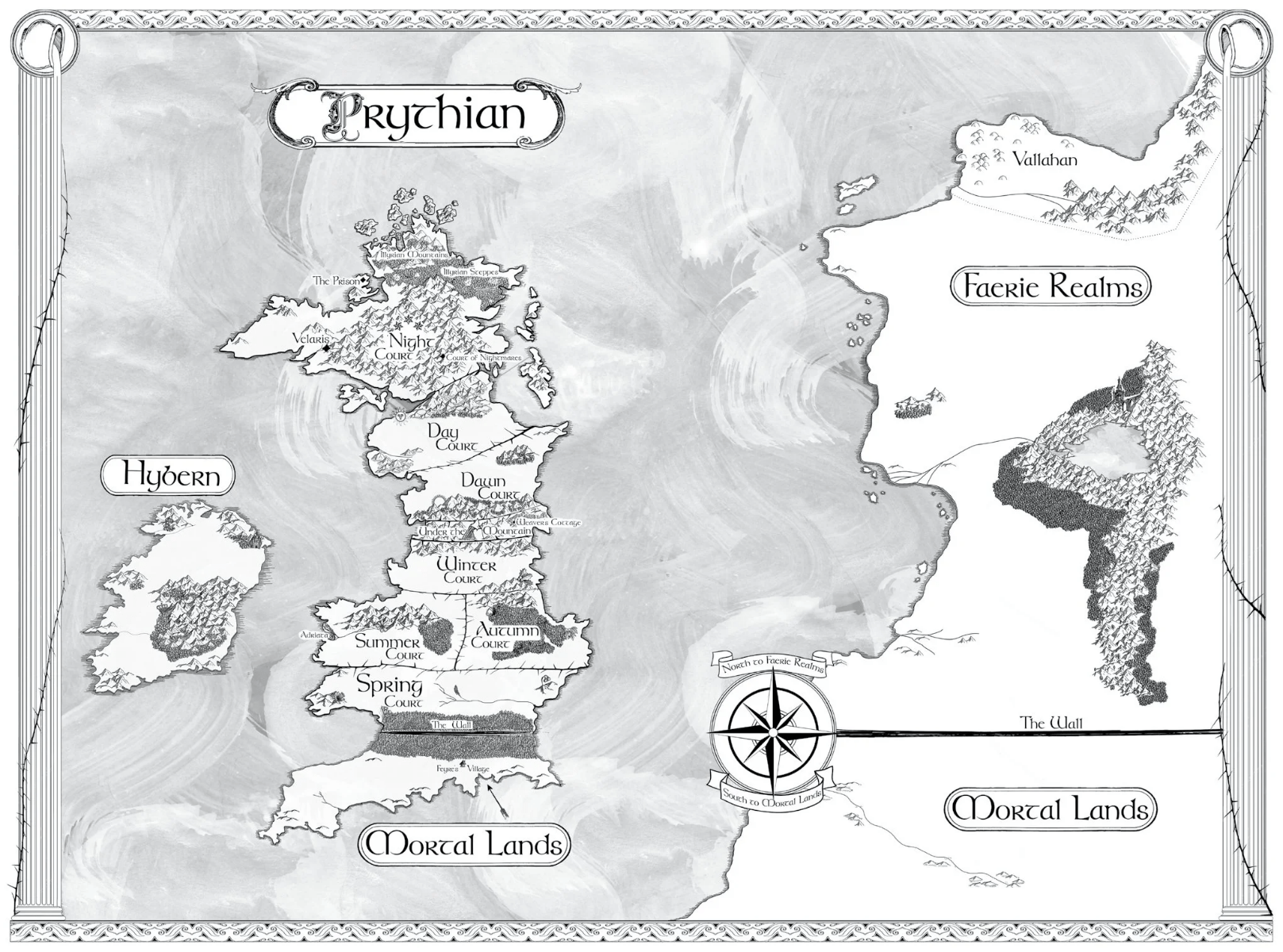
There is a specific thrill that comes with cracking open a brand new fantasy novel. Before you even meet the protagonist or learn the magic system, you turn the page and see a heavily detailed, hand drawn map. It is the ultimate invitation to leave reality behind. But that map is not just a pretty piece of art. It is a literal roadmap of the entire plot.
It is one of the best traditions in the genre. However, a map is rarely just a pretty illustration to look at before the story begins. It is a puzzle waiting to be solved. If you know what to look for, you can analyze the geography to predict exactly what kind of tropes, journeys, and dangers are coming before you even read chapter one.
Here is how to decode the secret language of fantasy maps so you can spot the hidden plot clues in your next read.
The mountains of doom
In fantasy geography, mountain ranges are almost never just beautiful scenery. They are massive narrative hurdles with terrible real estate value.
If a mountain range is jagged, dark, and walls off a specific corner of the world, you can guarantee a villain lives there. A perfect example is the iconic map of Middle Earth found in The Fellowship of the Ring by J.R.R. Tolkien. Frodo and the rest of the fellowship are forced to journey into the very heart of Mordor, which is completely surrounded by unforgiving, treacherous mountains.
If a map shows a narrow mountain pass blocking the only path forward, you know the characters are going to get trapped there and face something terrible in the snow. Usually without proper winter coats.
Winding rivers versus straight roads
When you look at a map, pay close attention to the transportation routes. They will tell you exactly how the pacing of the story will feel.
Winding rivers almost always mean a slow, character building journey. The characters will likely travel by boat, giving them plenty of time for deep dialogue, bonding, and probably getting attacked by a random sea monster. On the flip side, a direct empire road means high stakes, fast pacing, and imminent conflict.
Look at the map of Westeros in A Game of Thrones by George R.R. Martin. The Kingsroad cuts straight through the continent, connecting the forbidding shores of Winterfell all the way to King’s Landing. That massive, direct road promises immediate political tension, deadly ambushes, and characters who never get a good night of sleep.
The lone island or unusual border
A random, isolated island or a massive dividing line on a map is a huge narrative promise to the reader. Unusual geography always indicates where the most intense parts of the narrative will unfold.
Take the map of Prythian from A Court of Thorns and Roses by Sarah J. Maas. Right off the bat, you see a massive wall dividing the human lands from the magical courts. You just know someone is going to be forced to cross it. Then you look off the coast and spot the isolated island of Hybern. An island sitting all by itself in the corner of a fantasy map is never just a fun vacation spot. It usually means a major villain is plotting in isolation, just waiting to ruin the protagonist’s day.
The next time you dive into a new fantasy world, take a minute to check out to those jagged peaks, winding rivers, and mysterious isolated islands. You will start seeing the story unfold before the characters even take their first steps.

 On Joan Fasces’ eighteenth birthday, she discovers that she is cloned from the famous Joan of Arc. But being cloned in America comes at a steep price. Segregated and oppressed, clones are forced to act as docile servants to the rest of the Evolved population.
 In the final book of The Throwbacks Series, Joan and her team must face their biggest enemy – Strand Corporation.