SIDE QUEST: From the journal of Lord Malakor the Unforgiving

Welcome to Side Quest, a series of posts I share on my blog from time to time that give you a peek into the weird ‘what if’ scenarios and playful thought experiments I use to keep my imagination fired up when I’m taking a break from my latest novel.

Day 482 of the Eternal Gloom

I am this close to scorching the entire Eastern province. Not because of their pathetic rebellion. Not because of their overdue tithes. But because that gilded buffoon, Sir Gideon the “Gleaming,” just ruined a perfectly good batch of Shadowberry & Ghost Pepper Preserve.

Do you know how hard it is to get ghost peppers to grow in a cursed climate? The soil pH has to be exactly 4.5.

I was at the most crucial stage. The jam had just reached a 211-degree rolling boil. I was performing the wrinkle test on a frozen plate. The set was looking exquisite. I was already picturing the blue ribbon at the All-Kingdom Confectionery Contest.

And then, he bursts in.

“By the Light of Zorath!” he yelled, probably waking the entire crypt. “Fiend! Your bubbling Plague of Eternal Blight is at an end!”

I tried to stop him. “Gideon, you oaf, watch the jars! They’ve just been sterilized!”

But no. He just had to swing that ridiculous, glowing broadsword. Smashed my copper cauldron right off the fire pit. Two gallons of premium, pectin-balanced preserve, splattered all over my rare, hand-carved despair-stone floor. It’s going to be a nightmare to clean.

“The world is safe once more, Malakor!” he shouted, pointing the sword at me.

I just… I couldn’t.

“You… you… blond-haired menace,” I sputtered. “That was my submission batch! Do you have any idea how difficult it is to achieve a consistent flavor profile?”

Did he pause to really listen? To hear me? No! He threw the pot out the window and left, looking smug.

This is the fifth time this month. He thinks my canning operation is an “alchemical weapons lab.” He “liberated” my prize-winning apricot-habanero last week, thinking it was “liquid gold” to fund my armies. I bought those apricots from a mortal farmer. A mortal farmer, Gideon! His name is Stan!

I will have my revenge. And I will win “Best in Show” for my Spiced Blood-Orange Marmalade. Just as soon as I can re-sterilize my equipment.

Sidekicks with main character energy

As a writer, there’s a secret, terrifying, and exhilarating thing that can happen while you’re drafting: a character you intended for a minor role walks into a scene and refuses to leave.

They show up with a fully-formed voice, a riveting backstory you never planned, and a perspective so compelling it threatens to derail your carefully crafted plot. They aren’t just supporting the protagonist anymore; they feel like the hero of a different, fascinating story that’s happening just off-page.

That’s what I call “Main Character Energy.” It’s more than just being a fan favorite. It’s the powerful sense that a character has their own complete, vibrant world spinning within the larger narrative. Here are three secondary characters who radiate that energy, making their books infinitely richer.

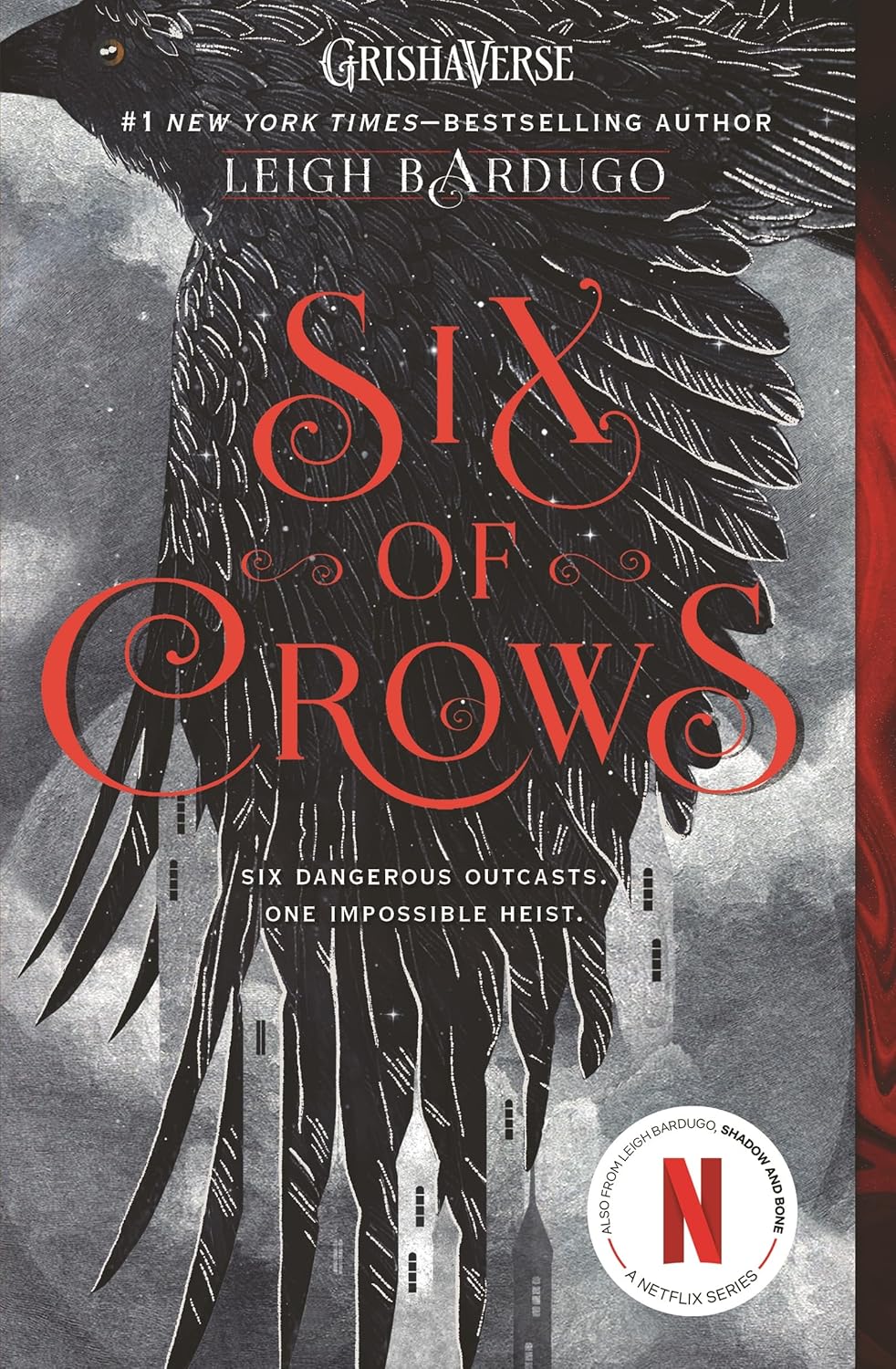
1. Inej Ghafa from Six of Crows by Leigh Bardugo

Kaz Brekker may be the mastermind, but Six of Crows is arguably Inej Ghafa’s story of reclamation. A girl of Suli heritage sold into indenture, her quest isn’t about money; it’s about buying back her own life and hunting the slavers who stole it. Her entire arc is a classic hero’s journey of confronting trauma and forging a new identity, happening in the shadow of a heist. You get the feeling that if the book followed only her, it would be just as compelling, if not more so. She is the moral center, and her quiet, deadly grace makes her the novel’s true gravitational pull.

2. Kenji Kishimoto from the Shatter Me series by Tahereh Mafi

Kenji isn’t just the comic relief; he’s the narrator of the story we wish we were reading sometimes. In a series defined by intense romance and angst, Kenji is the only one with enough perspective to see the utter absurdity of their situation, and he’s not afraid to say it. His Main Character Energy comes from the fact that he has a life, a history, and responsibilities—leading the soldiers of Sector 45—that exist completely outside of the main love triangle. He’s the protagonist of a gritty, found-family story about survival that just happens to intersect with Juliette’s epic romance.

3. Nico di Angelo from the Heroes of Olympus series by Rick Riordan

Nico’s power comes from the fact that his most important character development happens between books, in the shadows. We see the cheerful, myth-obsessed kid, and then we see the brooding, immensely powerful Son of Hades. His transformation is so profound that it forces us to imagine the harrowing solo journey he undertook. As a gay Italian demigod from the 1940s, he is a man out of time and out of place, everywhere he goes. He’s the protagonist of a dark, gothic tragedy who occasionally wanders into Percy Jackson’s sunnier adventure story, reminding us that the world is much bigger and scarier than we thought.


These are the characters who prove that a story’s magic doesn’t always come from the person on the cover. They remind us that every person on the street has a life as vivid and complex as our own.

Meet a few of the youngest stars of YA fantasy & sci-fi fiction writing

Do you ever have a story in your head that feels so huge, so epic, that you think, “Who am I to write this?” It’s a feeling a lot of writers have, especially when they’re young. But some of the most groundbreaking, imaginative, and successful books in recent years were written by authors who weren’t much older than their target audience. They prove that you don’t need decades of life experience to build a new world from scratch. All you need is a powerful idea and the drive to see it through.

Let’s get inspired by a few of the youngest authors who took the YA science fiction and fantasy world by storm.

Christopher Paolini, author of Eragon

  • Breakout Age: Paolini started writing Eragon at just 15 years old. It was famously self-published before being picked up by a major publisher, when he was 19.
  • The Hit Book: Eragon, the first book in The Inheritance Cycle, became a global phenomenon. A classic farm-boy-finds-a-dragon-egg story, it was everything an epic fantasy fan could want.
  • What Made It Special: Eragon is a masterclass in ambition. Paolini wasn’t just writing a story; he was building a massive world with its own languages, history, and rules of magic. He proved that a teenager could not only write a novel, but could command the epic scale and intricate detail that the genre demands, inspiring a whole generation of young writers to dream bigger.

Veronica Roth, author of Divergent

  • Breakout Age: Roth famously wrote Divergent during her senior year of college. It was published when she was just 22 years old.
  • The Hit Book: Divergent kicked off a series that became a cornerstone of the YA dystopian boom. It tells the story of Tris Prior, who lives in a futuristic Chicago where society is divided into five factions based on human virtues.
  • What Made It Special: Divergent‘s genius lies in its powerful central metaphor. The faction system was a brilliant and instantly relatable way to explore the intense pressure teens feel to fit in and define their identity. It tapped directly into that universal high school question: “Where do I belong?” The psychological trials were a unique and thrilling way to explore character depth and courage.

Tomi Adeyemi, author of Children of Blood and Bone

  • Breakout Age: Adeyemi was 23 when her debut, Children of Blood and Bone, landed one of the biggest publishing deals in YA history.
  • The Hit Book: Children of Blood and Bone is a soaring epic fantasy that follows Zélie Adebola as she attempts to bring magic back to her oppressed people.
  • What Made It Special: This book was a cultural landmark. Adeyemi wove West African mythology and Yoruba spiritual traditions into a powerful, action-packed fantasy that felt both classic and revolutionary. It tackled deep themes of oppression, race, and identity with a fiery passion that resonated with millions of readers. Adeyemi showed the immense, world-changing power of telling stories that had been left off the fantasy map for far too long.

The next time you sit down to write and that little voice of doubt creeps in, just remember these authors. They didn’t wait for permission to build their worlds. Your age isn’t a barrier—it’s your superpower. You have a voice and a perspective that no one else has.

So go write that story. We’re all waiting to read it.

Beyond the pale elf: 5 fantasy recs with representation

And hey, I love that guy! But when that’s the only model available, a lot of us are left staring at the screen thinking, “Uh, none of these look like me.” You can’t find your reflection, and it’s hard to feel like the hero of the story when you can’t even see yourself on the screen.

This is why we talk about books as “mirrors and windows”—they give us a chance to see ourselves (a mirror) and to understand someone else’s world (a window). Thankfully, today’s authors are blowing the doors off the old character creator. They’re adding every possible option, background, and skill tree, finally making fantasy a world where everyone can be the hero.

If you’re looking for amazing adventures with fully expanded character-creation sliders, here are five books that are getting it right.

1. Emily Wilde’s Encyclopaedia of Faeries by Heather Fawcett

This cozy and brilliant adventure offers a mirror for anyone who’s ever felt more at home with books than with people. The protagonist, Emily Wilde, is a genius Cambridge scholar who is logical, driven, and—to put it mildly—socially awkward, and she is widely embraced by readers as a fantastic representation of neurodiversity. Her academic approach to studying dangerous fae is a hilarious and heartwarming window into a mind that works differently, proving that methodical rigor can be its own kind of magic.

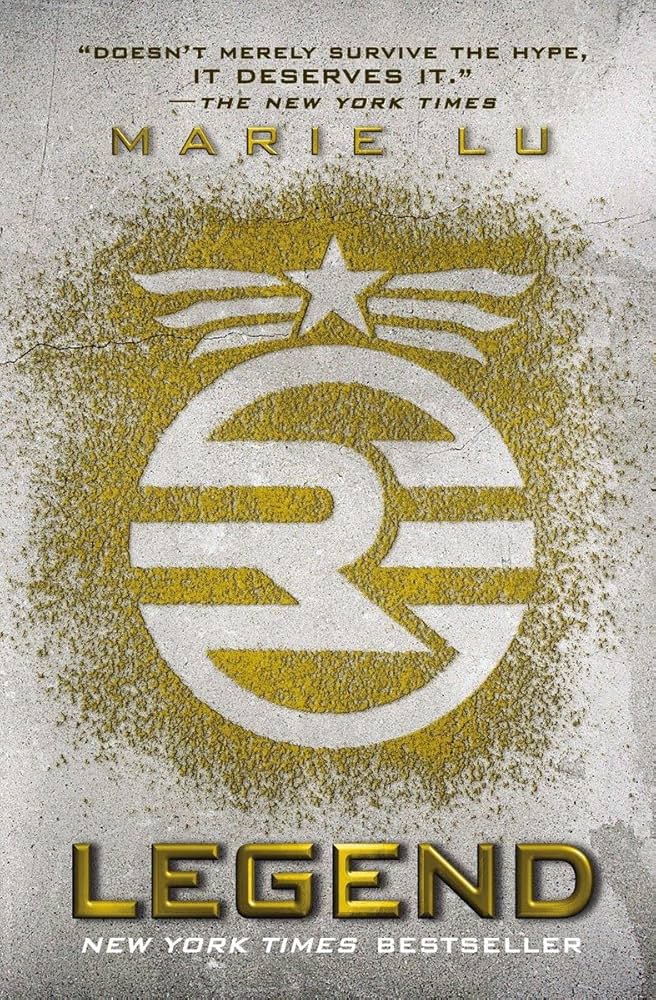
2. Legend by Marie Lu

Some of the most important windows books can offer are into perspectives we might not otherwise understand. In the dystopian Republic, we follow June, a military prodigy from an elite family, and Day, a boy from the slums who is the nation’s most wanted criminal. By putting us in both of their heads, Legend becomes a masterclass in empathy, showing how two people on opposite sides of a societal war can both be heroes in their own stories.

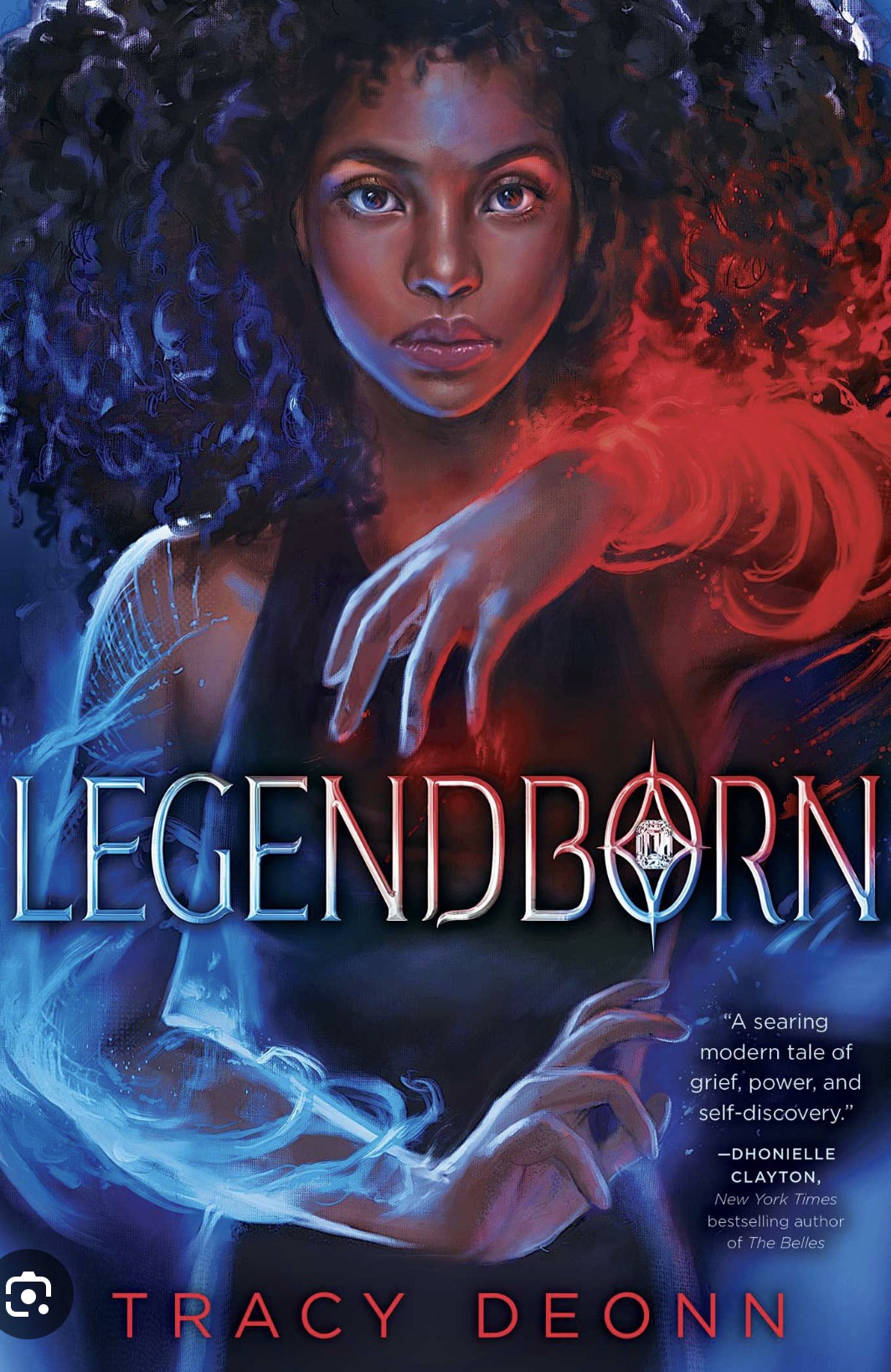
3. Legendborn by Tracy Deonn

Screenshot

When sixteen-year-old Bree Matthews’s mother dies, she uncovers a secret magical society based on Arthurian legend and realizes her own family history holds a powerful magic of its own. Legendborn is a stunning mirror for Black girls who love fantasy, weaving Southern culture and the history of slavery into the very fabric of magic. It’s also a vital window for every other reader, powerfully reframing a classic legend to create something wholly new and deeply necessary.

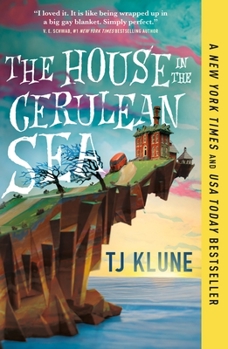
4. The House in the Cerulean Sea by T.J. Klune

This book is a warm hug for anyone who has ever felt like an outsider, and it’s a particularly powerful mirror for LGBTQ+ readers looking for gentle, hopeful fantasy. It follows a by-the-book caseworker, Linus Baker, as he investigates an orphanage of magical children and discovers the transformative power of found family. It’s a beautiful and tender story about choosing kindness over prejudice and finding where you truly belong..

5. Fourth Wing by Rebecca Yarros

This book is an absolute phenomenon, and one of its most powerful elements is its main character, Violet Sorrengail, who lives with a chronic illness that makes her body more fragile than others. In a brutal dragon-riding war college where weakness is a death sentence, Violet’s fight to not just survive but thrive is an incredible mirror for anyone living with a disability or chronic condition. It’s a fierce, powerful story about finding strength in resilience, not just in physical ability.


These books are more than just great stories; they are proof that the best fantasy reflects everyone. They create a world where more of us can see ourselves as the hero, ready for our own adventure.

What books have been powerful mirrors for you? I’d love to hear about the stories that made you feel truly seen in the comments below!

What’s Your Story’s Logline?

shutterstock_208876747In the writing world, there is a lot of talk about creating stories that are high concept, especially if you’re writing YA fantasy, like I am. Basically, if your story is high concept it has a compelling idea that can be summed up succinctly. (The Writer’s Store does a great job of explaining the concept here.) If you hear a high-concept idea, you know it because it stays with you. You find yourself already picturing the movie in your head.

The idea of creating a high concept novel reminded me of a term I learned about in my days writing screenplays. Every script had a logline, in which the author summed up the protagonist, conflict, and what made the story unique in one or two crisp sentences. Though novel-writing is a completely different medium, I think creating a logline for your story is the perfect place to start before you pen your first chapter. If you can’t identify what makes your story different and the emotional impact it will have on the reader at the highest level, it’s time to go back to the drawing board.

Once you’re deep into your book (or series), it’s tough to make big changes. It’s impossible to change the fundamental concept – you might as well start over. Writing a logline forces you to make sure that this is a path that you want to spend months or years of your life exploring. All the editing in the world can’t make a story more high concept, so it’s the one thing you have to get right from the start. You probably have many ideas in your head, and most of them are okay, or just good enough. It’s worth taking the time to write a logline to see if your idea pops, if it is THE ONE.

I wanted to see if my theory applied to some of the most successful young adult fantasy novels over the past few years. I went to IMDB to read the loglines for these books, which are all now turned into movies, to see if their core premise could be summed up in one or two compelling sentences, or if the plots were too nuanced to draw readers in without a little explanation.

Here are 10 examples of the loglines from YA fantasy movies that instantly convey a high concept.

Divergent
In a world divided by factions based on virtues, Tris learns she’s Divergent and won’t fit in. When she discovers a plot to destroy Divergents, Tris and the mysterious Four must find out what makes Divergents dangerous before it’s too late.

Beautiful Creatures
Ethan longs to escape his small Southern town. He meets a mysterious new girl, Lena. Together, they uncover dark secrets about their respective families, their history and their town.

The Mortal Instruments: City of Bones
When her mother disappears, Clary Fray learns that she descends from a line of warriors who protect our world from demons. She joins forces with others like her and heads into a dangerous alternate New York called Downworld.

Percy Jackson and the Olympians: The Lightning Thief
A teenager discovers he’s the descendant of a Greek god and sets out on an adventure to settle an on-going battle between the gods.

The Giver
In a seemingly perfect community, without war, pain, suffering, differences or choice, a young boy is chosen to learn from an elderly man about the true pain and pleasure of the “real” world.

Warm Bodies
After a highly unusual zombie saves a still-living girl from an attack, the two form a relationship that sets in motion events that might transform the entire lifeless world.

The Hunger Games
Katniss Everdeen voluntarily takes her younger sister’s place in the Hunger Games, a televised fight to the death in which two teenagers from each of the twelve Districts of Panem are chosen at random to compete.

Harry Potter and the Sorcerer’s Stone
Rescued from the outrageous neglect of his aunt and uncle, a young boy with a great destiny proves his worth while attending Hogwarts School of Witchcraft and Wizardry.

Twilight
A teenage girl risks everything when she falls in love with a vampire.

Eragon
In his homeland of Alagaesia, a farm boy happens upon a dragon’s egg — a discovery that leads him on a predestined journey where he realized he’s the one person who can defend his home against an evil king.

And though it wouldn’t make the top 10, below is the logline for the first book in my own series, The Conjurors.

The Society of Imaginary Friends
Valerie Diaz has magic that she can’t contain, and it’s killing her. In order to survive, she must embrace her power and travel many light years away to fight an enemy who has been trying to kill her since she was a child.

What’s your story’s logline?

The Pros and Cons of Cursing in Young Adult Literature

expletiveAfter six books that were curse free, I’ll never forget my surprise near the end of the final Harry Potter book, when Mrs. Weasley calls the woman who killed her son a bitch. I remember wondering – can she do that? Of course, she can and she did. But that’s J. K. Rowling. Should you, in your self-published young adult novel, take the same risk?

The general consensus is that there is no consensus. Some parents (and even YA readers) are completely offended by profanity of any sort in literature aimed at readers who are not technically considered adults.

There are ways around this, of course. Authors like John Green, in addition to the occasional real swear word, also invent their own (like “douchepants” in The Fault in our Stars). Personally, I think that made up curse words rarely  have the same impact as the real thing, and, at worst, come off a little silly. Occasionally there’s a word like “frak” from the Battlestar Gallactica TV show that resonates, but often it feels like what it is – a bit of a cop out.

In general, using a few well-chosen curse words in YA literature seems like a pretty safe bet. Most people are comfortable with it in specific situations, especially if the words chosen aren’t the really forbidden ones. (You know what they are.) YA authors who use some cursing  are in good company – a 2012 Brigham Young study reported that 88% of the top 40 YA books contained at least some profanity.

Of course, there’s always the option to stay completely clean, although I can’t imagine a scenario where a young adult says, “Aw, pickles!” when he’s really frustrated. That might inspire my laughter, but there is no universe in which that character can be considered anything approaching cool.

I’m considering, for my next series, writing from the perspective of a character who would swear A LOT. It feels like it would be true to her voice to never hold back. Have you ever known someone who curses less in anger, but more as a matter of course? I have, and it’s funny and refreshing. But then again, I was raised in a house where cursing was okay as long as we didn’t do it in public. I don’t think that’s rare – teens are exposed to swearing much more today than a few decades ago, and it doesn’t have the same power to offend that it did in the past.

I would really value some advice on this one. Do you think that considerable cursing in YA literature is acceptable, or should I tone down how my character talks so as not to offend?

How to Kill the Villian in Your YA Fantasy Series (with Style)

shutterstock_96012164The time has come, now that I’m wrapping up my YA/Middle Grade fantasy series, The Conjurors, to say goodbye to my favorite character – the villain. I hope it’s not a spoiler to say that he’s going to get the axe. Unfortunately, his actions have been so unforgivable that I can’t risk leaving him alive in a jail cell somewhere. He’d always be at the back of my mind, and I’d worry that he’d get loose and hurt the characters in my story who have earned their happily-ever-afters.

So what should be my weapon of choice? A simple thrust through the heart, perhaps? Or something more complicated, like when Voldemort’s own killing curse is reflected back on him and he technically dies by his own hand? If you sense that I’m morbidly excited to off him, you’d be absolutely right.

As I plot my own villain’s demise, here are some tips I’ve gleaned from all-star YA fantasy authors who have axed their villains with flair.

Make it personal.
Dark Triumph, His Fair Assassin Trilogy by Robin LaFevers
In order for readers to truly relish the demise of a villain, the protagonist needs to have a profound connection with her nemesis. In many cases she has spent years or even decades battling this foe, with a string of defeats behind her. That’s why it’s so sweet when the villain is slain at last – it makes the world better, yes, but it also fundamentally changes the protagonist for the better. When the heroine in Dark Triumph, Sybella, kills the truly horrible villain of the first two books, d’Albret, it isn’t abstract or at a distance. Raised as his daughter and tormented by him her entire life, the demise of d’Albret can be at no hand but her own for the reader to find it satisfying. And LaFevers doesn’t disappoint. Sybella personally plunges her dagger into his belly and damages as many organs as she can. Both the personal connection Sybella has with the villain and the personal nature of how she destroys him makes his demise gory but intensely satisfying.

Let your hero win the day but share the glory.
The Last Olympian, Percy Jackson & the Olympians, Rick Riordan
There is a cathartic enjoyment watching a protagonist ride into the sunset in a blaze of glory and recognition, but there is a deeper, more profound satisfaction from watching him give the credit away, giving up the fame and being the quiet, unsung hero. Riordan does a great job of executing this in the final battle of the Percy Jackson series. Percy is fighting a friend, Luke, who betrayed him and is now possessed by the villain of the series, Kronos. For a moment Luke manages to regain control of himself, and Percy gives him a knife and Luke kills himself, delivering the final blow to Kronos at the same time. Luke’s sacrifice makes him the hero. But Percy is a hero too, choosing to trust Luke to make the right choice and not to insist that he be the one to deliver the killing blow. As a reader, I never liked Percy more than at that powerful moment.

Have your protagonist tap into new strength/power/mental toughness.
Clockwork Princess, The Infernal Devices Trilogy by Cassandra Clare
If you’re writing a series and are finally coming to a point where it’s time to kill the villain of the series, your protagonist has likely had some successes. She has tapped into new powers, learned new skills, and grown as a human in every book. But now you have to top yourself one last time, and let her tap into something truly amazing within herself in order to finally emerge victorious. In Clockwork Princess, Tessa does just that. She has the power to change her form and become anyone, as long as she has an object that belongs to them. In the climax of the series, she turns into an angel who is trapped within a necklace, and destroys the villain, Mortmain, in a blaze of power. He dies scorched in her grip. I also like that Cassandra Clare makes Tessa pay a price for tapping in to so much power, and she nearly dies. Destroying your arch nemesis shouldn’t be easy.

Give your protagonist a positive motivator to destroy the villain (rather than being driven by hate).
Warm Bodies by Isaac Marion
It can sound counterintuitive to say that your protagonist shouldn’t be fueled by hate for the villain, but I’ve found again and again that the best protagonists grow to be motivated by a positive emotion, like love, rather than a negative one, like revenge or hatred. Warm Bodies is an unusual example of this, but bear with me. In this story, the true villain is a plague that turns people into zombies. That plague is really apathy and giving up on life, and the hero of the book, R, fights back, even though he has succumbed to the plague. When R chooses life and love, risking everything for his soul mate, Julie, he defeats this enemy by coming back from the dead, returning to life.


When to Include an Epilogue in Your Novel

shutterstock_177324332Unlike prologues (which I covered in last week’s post) epilogues are a much less controversial concept in the writing community. Everyone from J.K. Rowling to James Dashner uses epilogues to wrap up loose ends and generally give a novel a complete finish. But I would argue that epilogues are just as likely to be abused as prologues, and it is essential to write one only if your novel demands it. Do more details of “happily ever after” really merit an epilogue? Sometimes it is more powerful to let the end stand for itself, and allow readers to make guesses or inferences based on the text.

However, there are also times when an epilogue can be a powerful tool to enhance the reader’s experience.

Introduce a secondary point of view that sheds new light on the story.
In novels that are written from the perspective of one character, the epilogue can be a great place to add an additional layer to your story by giving another character a voice. In The Conjurors Series, I write exclusively from the perspective of the protagonist. I use the epilogues as an opportunity to show a nuance to the story, namely, how the villain of the series is pulling the strings behind the scenes.

Use it as a cliffhanger to encourage readers to check out subsequent books in your series.
I’ve seen highly effective epilogues in series that give a little peek into the next book. In the self-publishing world, writing a series is one of the most effective ways to build an audience that is interested in your writing. Epilogues are a great place to give readers an additional scene related to your current story that also has them asking questions that will make them eager to read your next book. I loved the epilogue in The Maze Runner by James Dashner because it not only introduced a new perspective – that of the enemy – but also revealed to the reader that the safety that the main characters believe they have found at the end of the book is false. To discover how they’ll survive, you have to continue the series.

Set your epilogue in the future – but only if you have something new to say.
All too often epilogues simply expand on the happily every after. For example, two main characters get married at the end of the novel, and in the epilogue they have a baby. In this case, slash the epilogue. The reader doesn’t learn anything new, and it can detract from the impact of your novel’s close. On the other hand, there are instances when new information from the future can be powerful and worth including. For example, the epilogue in Harry Potter and the Deathly Hallows gives readers closure for the characters they had grown to love by showing them as adults. Information set so far in the future makes sense to be separated from the main text, but is meaningful enough that it is worth including.

Best YA Fantasy Books for Your Book Club

shutterstock_141036148One of the best parts about being a YA author is the fact that I get to read all the latest and greatest YA fiction in the name of research. As fun as it is to dive into a new world, analyzing the text afterward is even better. That’s why I love being a part of a monthly book club were we tear apart everything from fantasy to romance to nonfiction.

Since YA fantasy with strong heroines is my passion, I thought I’d share my top picks in this genre to read and discuss with your book club.

Divergent by Veronica Roth
One of the most lighthearted and enjoyable book club discussions I’ve had surrounded this book. In Roth’s world, everyone is split into five factions that are essentially personality types. Our book club had a blast deciding which faction we would belong to, and what it said about our character. The book also has a strong and unconventional female heroine who resonated with each of us in different ways. The author doesn’t shy away from making tough choices, and debating Roth’s decisions led to more serious discussions. Click here for some great questions to kick off your book club discussion on Divergent from the official HarperCollins guide.

Hunger Games by Suzanne Collins
Despite being a hot topic in pop culture right now, this trilogy raises some surprisingly complex questions about he nature of love, PTSD, and ethical questions of war. Click here for some great questions to kick off your book club discussion on Hunger Games from the Galesburg Public Library.

The Giver by Lois Lowry
The Giver is a simple, relatively short book that yields awesome discussion. Lowry is a master of her craft, and everything from the futuristic society that she created to her complex characters resonates. Whether you love it or hate it, everyone has strong opinions on their take on Lowry’s world. Click here for some great questions to kick off your book club discussion on The Giver by LitLovers (incidentally, LitLovers is a great site to check out for book club questions and ideas in general).

Twilight by Stephanie Meyer
I know, I know. The Twilight series is probably not the most intellectually stimulating collection of books that you’ve stumbled upon. But it brings out the teenager in you, and you’re kidding yourself if you don’t think you’ll enjoy debating Edward vs. Jacob. If you need a break from discussing heavy, serious texts, this is the perfect vacation for a lighthearted book club. Click here for some great questions to kick off your book club discussion on Twilight by Shmoop. I like these questions because they are some of the same ones I had in my head about the series.

Do you have favorite YA fantasy books that your book club has loved?

How to Create a Great Setting for Your Fantasy Novel

shutterstock_189557657Creating a believable, compelling setting is a key ingredient in helping readers to immerse themselves in your novel, regardless of the genre. But I believe that in fantasy novels, setting is even more critical. The rules of the world you create must make sense, and often the setting can be a compelling incentive to pick up your story in the first place.

Below are some tips from popular series that have nailed the task of creating a unique, fascinating setting.

Ensure that your setting reinforces the key concepts of your story.
Example: Divergent by Veronica Roth
In Roth’s world, people are split into five factions by personality types. The setting builds upon this concept and enables readers to understand the world better. For example, the people of the Abnegation faction, who value self-sacrifice, live in austere, simple buildings that don’t even have mirrors. The Dauntless, who value courage, live in an underground pit with paths along the sides that have no railings. Anyone could easily plunge to their death with one wrong move. The impact of Roth’s use of setting makes the world instantly feel more believable.

Reveal your setting slowly, letting readers absorb the nuances.
Example: Silo series by Hugh Howey
Howey is a master at leading readers expertly through his imaginative world. When readers are first introduced to the setting in the Silo series, which is an immense, self-sustaining underground building, it isn’t clear exactly how this world functions, or how it came to be. But through the point of view of different characters, the layers are slowly revealed. Readers see how the silo sustains itself, and how the very nature of the different levels of the silo creates divisions between people, and a class system emerges based on how close to the top of the silo people live. It is amazing how quickly the world makes sense, and as additional details are revealed, the setting continues to fascinate.

Hook readers with a mystery about the setting.
Example: The Maze Runner by James Dashner
The setting in The Maze Runner is very simple and contained, but even the characters within the story don’t understand it. The entire world is a small homestead surrounded by a giant maze that the characters can’t escape from. The only way into this world is from an elevator that only goes one way – up. Solving the mystery of who created this world and how to escape is at the crux of the story.

Create a setting that is a fantastic twist on on the real world.
Example: Wicked Lovely by Melissa Marr
I could point to a number of popular fantasy series for this example, because it’s a device that works well. A favorite of mine is Wicked Lovely, because Marr seamlessly weaves the world of fairies into the world as we know it, and the setting is a key component of making this work. Everyday places deserve a second look for the protagonist, Aislinn, because she is aware that an almost invisible world is overlaid on her own.

Indulge your imagination and don’t be afraid to take risks with your setting.
Example: Harry Potter series by J.K. Rowling
I’m finishing with Harry Potter because Rowling created the most compelling world that I’ve ever encountered in YA fantasy literature. Staircases that move, secret passages, and pictures that talk all make the world feel incredibly fantastical, like imagination come to life. Fantasy-lovers are looking to be immersed in a world that is new and different, so let your imagination run a little wild.

Which fantasy novels do you think have done the best job with setting?