How to write smart comedy for middle grade readers

Have you ever noticed what happens when adults try to write funny books for 10-to-12-year-olds? It’s like they suffer sudden, total amnesia about what it’s actually like to be in middle school.

Because I’m raising my own middle-grade (MG) humans here in California, I spend a ridiculous amount of time thinking about my audience. When I write YA sci-fi and fantasy, the instinct is to push the boundaries with massive stakes and sharp banter. But when writing MG comedy, too many adults default to sanitizing the world, dumbing down the jokes, and delivering a heavy-handed moral.

Kids hate that. (Me too, as it happens.)
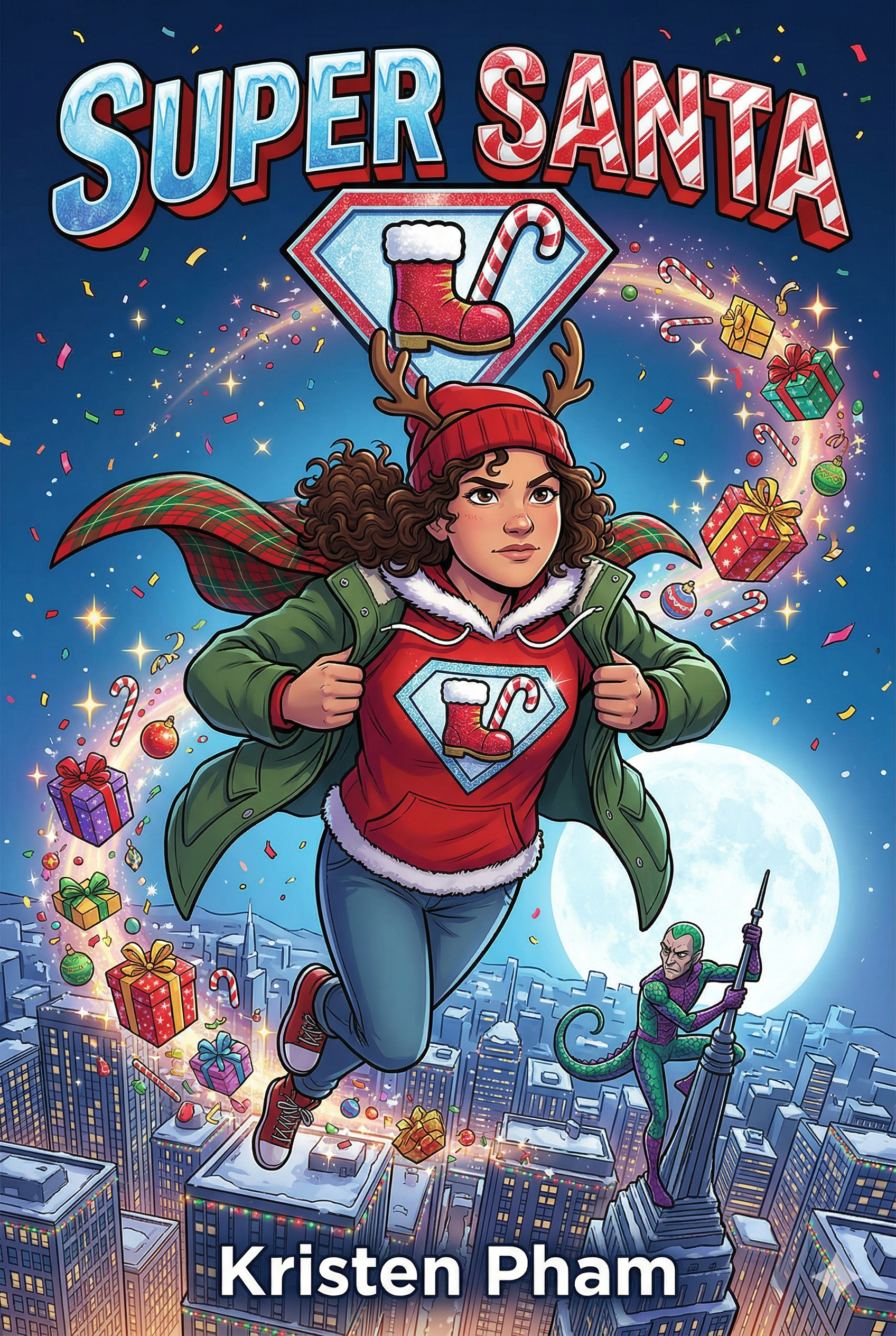
Middle grade readers are incredibly smart, deeply empathetic, and they can spot condescension from a mile away. Right now, I’m elbow-deep in drafting my newest MG comedy, currently titled Super Santa. Working on this delightfully wild premise has been a daily reminder of the golden rule of kidlit: You have to write up to your audience, never down.

If you’re tackling the MG fiction space, here’s how to keep your readers laughing without ever patting them on the head.

1. Let Diverse Characters Just Exist

Kids today are growing up in a complex world, and they understand it way better than adults give them credit for. They don’t need a lecture to explain reality.

For example, in Super Santa, my protagonist has a nonbinary sidekick. I didn’t write a heavy-handed, four-page monologue explaining their pronouns. Why? Because 11-year-olds don’t need me to. They just accept that their friend uses they/them, and then they immediately get back to the actual problem at hand: saving the North Pole. Pandering is the absolute enemy of comedic pacing. Trust that your readers understand the world, and let your diverse characters just exist and be funny.

2. Never Explain the Punchline

There’s a reason kids absolutely inhale series like Diary of a Wimpy Kid and Dog Man. It’s not just because they’re hilarious—it’s because the authors trust their readers to understand irony, visual gags, and the sheer absurdity of growing up.

A fatal mistake adults make is setting up a brilliant joke and then over-explaining the punchline just to make sure the kid “got it.” Kids are masters of sarcasm. Give them dialogue that crackles and let the joke stand on its own.

3. Treat the Absurd with Absolute Sincerity

The fastest way to ruin a comedic MG concept is for the author to wink at the camera to show that they know it’s silly.

Whether your protagonist is dealing with super-powered Santa Claus powers, a sentient toilet, or an alien invasion in the cafeteria, the characters inside the book have to treat the situation as life-or-death reality. The humor comes from how seriously they take it, not from you mocking your own premise.

4. Acknowledge That Middle School is Terrifying

Comedy is usually just a coping mechanism for anxiety, and being in middle school is objectively terrifying. Your body is weird, your friendships are shifting, and the world feels huge.

When writing funny middle grade books, you don’t need to shield your readers from dark, messy emotions. Often the comedic magic is just a vehicle to explore very real feelings. Show them characters who use humor to mask how scared they are and then show those same kids finding the courage to save the day anyway.
Sidekicks with main character energy

As a writer, there’s a secret, terrifying, and exhilarating thing that can happen while you’re drafting: a character you intended for a minor role walks into a scene and refuses to leave.

They show up with a fully-formed voice, a riveting backstory you never planned, and a perspective so compelling it threatens to derail your carefully crafted plot. They aren’t just supporting the protagonist anymore; they feel like the hero of a different, fascinating story that’s happening just off-page.

That’s what I call “Main Character Energy.” It’s more than just being a fan favorite. It’s the powerful sense that a character has their own complete, vibrant world spinning within the larger narrative. Here are three secondary characters who radiate that energy, making their books infinitely richer.

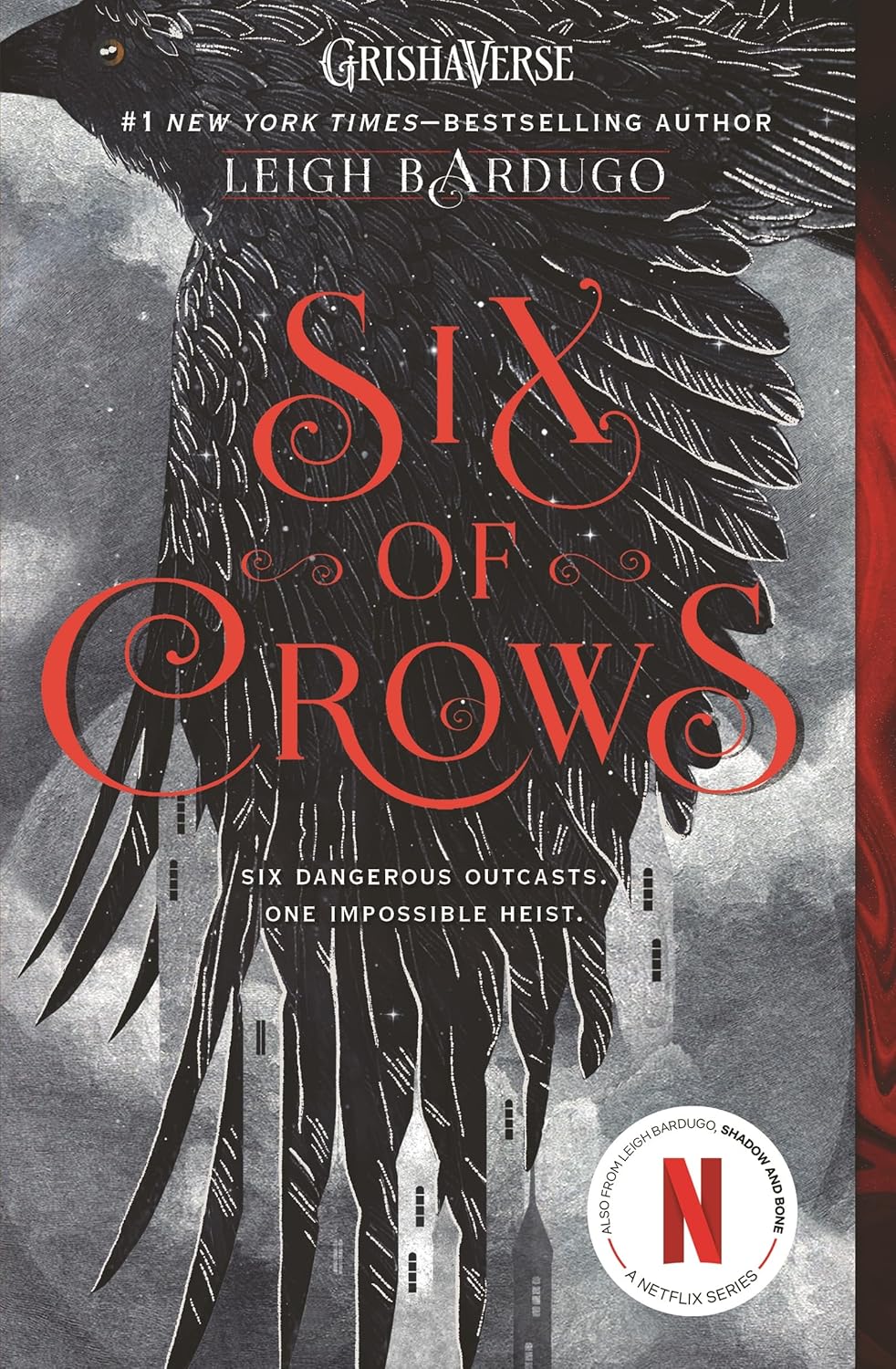
1. Inej Ghafa from Six of Crows by Leigh Bardugo

Kaz Brekker may be the mastermind, but Six of Crows is arguably Inej Ghafa’s story of reclamation. A girl of Suli heritage sold into indenture, her quest isn’t about money; it’s about buying back her own life and hunting the slavers who stole it. Her entire arc is a classic hero’s journey of confronting trauma and forging a new identity, happening in the shadow of a heist. You get the feeling that if the book followed only her, it would be just as compelling, if not more so. She is the moral center, and her quiet, deadly grace makes her the novel’s true gravitational pull.

2. Kenji Kishimoto from the Shatter Me series by Tahereh Mafi

Kenji isn’t just the comic relief; he’s the narrator of the story we wish we were reading sometimes. In a series defined by intense romance and angst, Kenji is the only one with enough perspective to see the utter absurdity of their situation, and he’s not afraid to say it. His Main Character Energy comes from the fact that he has a life, a history, and responsibilities—leading the soldiers of Sector 45—that exist completely outside of the main love triangle. He’s the protagonist of a gritty, found-family story about survival that just happens to intersect with Juliette’s epic romance.

3. Nico di Angelo from the Heroes of Olympus series by Rick Riordan

Nico’s power comes from the fact that his most important character development happens between books, in the shadows. We see the cheerful, myth-obsessed kid, and then we see the brooding, immensely powerful Son of Hades. His transformation is so profound that it forces us to imagine the harrowing solo journey he undertook. As a gay Italian demigod from the 1940s, he is a man out of time and out of place, everywhere he goes. He’s the protagonist of a dark, gothic tragedy who occasionally wanders into Percy Jackson’s sunnier adventure story, reminding us that the world is much bigger and scarier than we thought.


These are the characters who prove that a story’s magic doesn’t always come from the person on the cover. They remind us that every person on the street has a life as vivid and complex as our own.

Meet a few of the youngest stars of YA fantasy & sci-fi fiction writing

Do you ever have a story in your head that feels so huge, so epic, that you think, “Who am I to write this?” It’s a feeling a lot of writers have, especially when they’re young. But some of the most groundbreaking, imaginative, and successful books in recent years were written by authors who weren’t much older than their target audience. They prove that you don’t need decades of life experience to build a new world from scratch. All you need is a powerful idea and the drive to see it through.

Let’s get inspired by a few of the youngest authors who took the YA science fiction and fantasy world by storm.

Christopher Paolini, author of Eragon

  • Breakout Age: Paolini started writing Eragon at just 15 years old. It was famously self-published before being picked up by a major publisher, when he was 19.
  • The Hit Book: Eragon, the first book in The Inheritance Cycle, became a global phenomenon. A classic farm-boy-finds-a-dragon-egg story, it was everything an epic fantasy fan could want.
  • What Made It Special: Eragon is a masterclass in ambition. Paolini wasn’t just writing a story; he was building a massive world with its own languages, history, and rules of magic. He proved that a teenager could not only write a novel, but could command the epic scale and intricate detail that the genre demands, inspiring a whole generation of young writers to dream bigger.

Veronica Roth, author of Divergent

  • Breakout Age: Roth famously wrote Divergent during her senior year of college. It was published when she was just 22 years old.
  • The Hit Book: Divergent kicked off a series that became a cornerstone of the YA dystopian boom. It tells the story of Tris Prior, who lives in a futuristic Chicago where society is divided into five factions based on human virtues.
  • What Made It Special: Divergent‘s genius lies in its powerful central metaphor. The faction system was a brilliant and instantly relatable way to explore the intense pressure teens feel to fit in and define their identity. It tapped directly into that universal high school question: “Where do I belong?” The psychological trials were a unique and thrilling way to explore character depth and courage.

Tomi Adeyemi, author of Children of Blood and Bone

  • Breakout Age: Adeyemi was 23 when her debut, Children of Blood and Bone, landed one of the biggest publishing deals in YA history.
  • The Hit Book: Children of Blood and Bone is a soaring epic fantasy that follows Zélie Adebola as she attempts to bring magic back to her oppressed people.
  • What Made It Special: This book was a cultural landmark. Adeyemi wove West African mythology and Yoruba spiritual traditions into a powerful, action-packed fantasy that felt both classic and revolutionary. It tackled deep themes of oppression, race, and identity with a fiery passion that resonated with millions of readers. Adeyemi showed the immense, world-changing power of telling stories that had been left off the fantasy map for far too long.

The next time you sit down to write and that little voice of doubt creeps in, just remember these authors. They didn’t wait for permission to build their worlds. Your age isn’t a barrier—it’s your superpower. You have a voice and a perspective that no one else has.

So go write that story. We’re all waiting to read it.

SIDE QUEST: So you’re the chosen one. Here’s how to procrastinate responsibly.

Welcome to Side Quest, a new series of posts I’ll share on my blog from time to time that give you a peek into the weird ‘what if’ scenarios and playful thought experiments I use to keep my imagination fired up when I’m taking a break from my latest novel.This is the very first one, and I hope it gives your own creative brain a fun little jolt!

It finally happened. The glowing amulet pulsed in your palm, the talking squirrel delivered his cryptic prophecy, or maybe the birthmark on your arm started looking suspiciously like a map to the Lost City of Gorgonzar.

Congratulations. You’re the Chosen One. An ancient evil is stirring, a galactic empire is threatening the Outer Rim, and you—yes, you, the person who considers finding matching socks a major victory—are the only one who can stop it.

There’s just one problem. You have a history final on Tuesday, your favorite show just dropped a new season, and that pile of laundry in the corner is one t-shirt away from achieving sentience. Destiny is calling, but your phone is buzzing with notifications that feel just a little more urgent.

Don’t panic. This isn’t a guide on how to save the world. This is a guide on how to put it off… responsibly. Welcome to the art of Strategic Destiny-Delaying.

Step 1: Re-evaluate your priorities with the tier system of impending doom.

Sure, the Shadow Overlord Xylos is planning to blot out the sun. That sounds bad. But will he give you a detention that goes on your permanent record if you don’t finish your book report on Ethan Frome? No. Your teacher, Mrs. Davison, will.

Create a simple chart. In one column, list your epic quests (“Vanquish the Serpent King,” “Find the Seven Shards of Light”). In the other, list your real-life tasks (“Walk the dog,” “Finish algebra homework”). The task that will result in immediate, tangible consequences (i.e., parental grounding or a failing grade) wins. The fate of the universe has been around for billions of years; it can wait until after dinner.

Step 2: Disguise your training as household chores.

No one can accuse you of slacking off if you’re being productive. You just have to reframe it.

  • Are you sweeping the kitchen floor? No, you are practicing staff combat with the Legendary Broom of Tidiness.
  • Just folding clothes? Think again. You’re actually inscribing protective sigils into the very fabric of your armor to ensure it withstands the rigors of the coming quest (to the movies).
  • Are you practicing your heroic “I’m here to save you!” entrance in the bathroom mirror? That’s just good personal hygiene and confidence-building.

Step 3: Conduct extensive “lore research.”

Your quest will require immense knowledge of past heroes, battle tactics, and plot twists. How does one acquire this knowledge? By watching hours of television, of course.

That eight-season fantasy epic isn’t a distraction; it’s a historical document. You’re studying the effectiveness of plot armor, analyzing the classic “unlikely friendship” trope, and taking notes on what not to do when facing a dragon. When your parents ask what you’re doing, simply look at them with grave importance and say, “I’m studying the archives.”

Step 4: Engage in strategic fellowship vetting.

You can’t face the Dark Lord alone. You’ll need a ragtag team of loyal companions. But choosing them is a delicate process that requires careful observation in a casual setting.

Are you going to get fudge with your best friend? No. You are assessing their suitability for the “comic relief with a heart of gold” role. Does their choice of toppings show a bold, decisive nature? Are they willing to share, proving their loyalty? This isn’t just hanging out; it’s team-building.

So go on, Chosen One. The world will still be there waiting to be saved when you’re ready. Probably. In the meantime, that new season isn’t going to watch itself.

Beyond the pale elf: 5 fantasy recs with representation

And hey, I love that guy! But when that’s the only model available, a lot of us are left staring at the screen thinking, “Uh, none of these look like me.” You can’t find your reflection, and it’s hard to feel like the hero of the story when you can’t even see yourself on the screen.

This is why we talk about books as “mirrors and windows”—they give us a chance to see ourselves (a mirror) and to understand someone else’s world (a window). Thankfully, today’s authors are blowing the doors off the old character creator. They’re adding every possible option, background, and skill tree, finally making fantasy a world where everyone can be the hero.

If you’re looking for amazing adventures with fully expanded character-creation sliders, here are five books that are getting it right.

1. Emily Wilde’s Encyclopaedia of Faeries by Heather Fawcett

This cozy and brilliant adventure offers a mirror for anyone who’s ever felt more at home with books than with people. The protagonist, Emily Wilde, is a genius Cambridge scholar who is logical, driven, and—to put it mildly—socially awkward, and she is widely embraced by readers as a fantastic representation of neurodiversity. Her academic approach to studying dangerous fae is a hilarious and heartwarming window into a mind that works differently, proving that methodical rigor can be its own kind of magic.

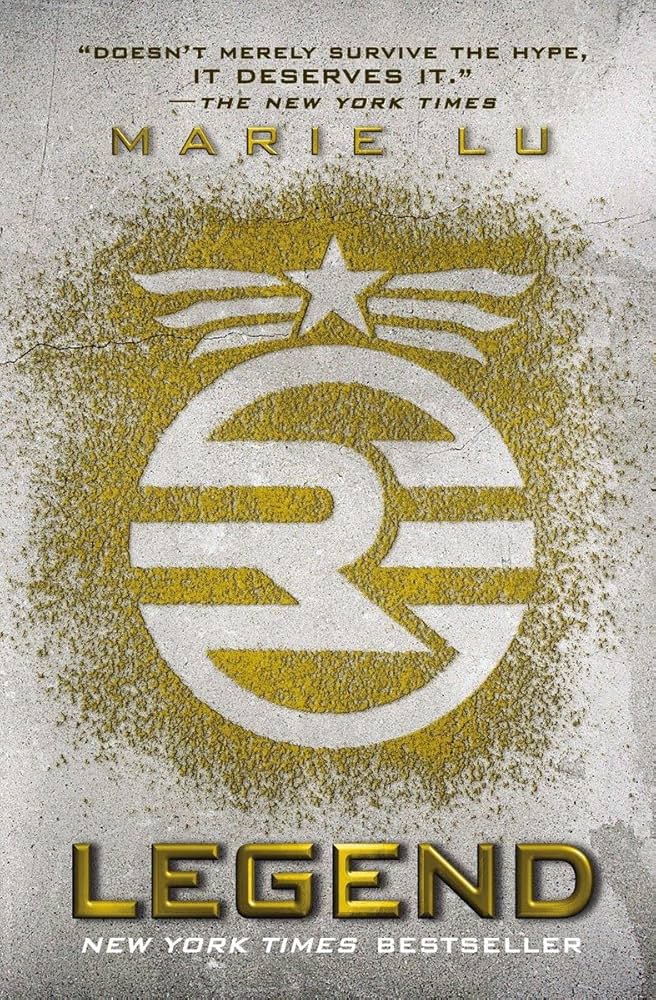
2. Legend by Marie Lu

Some of the most important windows books can offer are into perspectives we might not otherwise understand. In the dystopian Republic, we follow June, a military prodigy from an elite family, and Day, a boy from the slums who is the nation’s most wanted criminal. By putting us in both of their heads, Legend becomes a masterclass in empathy, showing how two people on opposite sides of a societal war can both be heroes in their own stories.

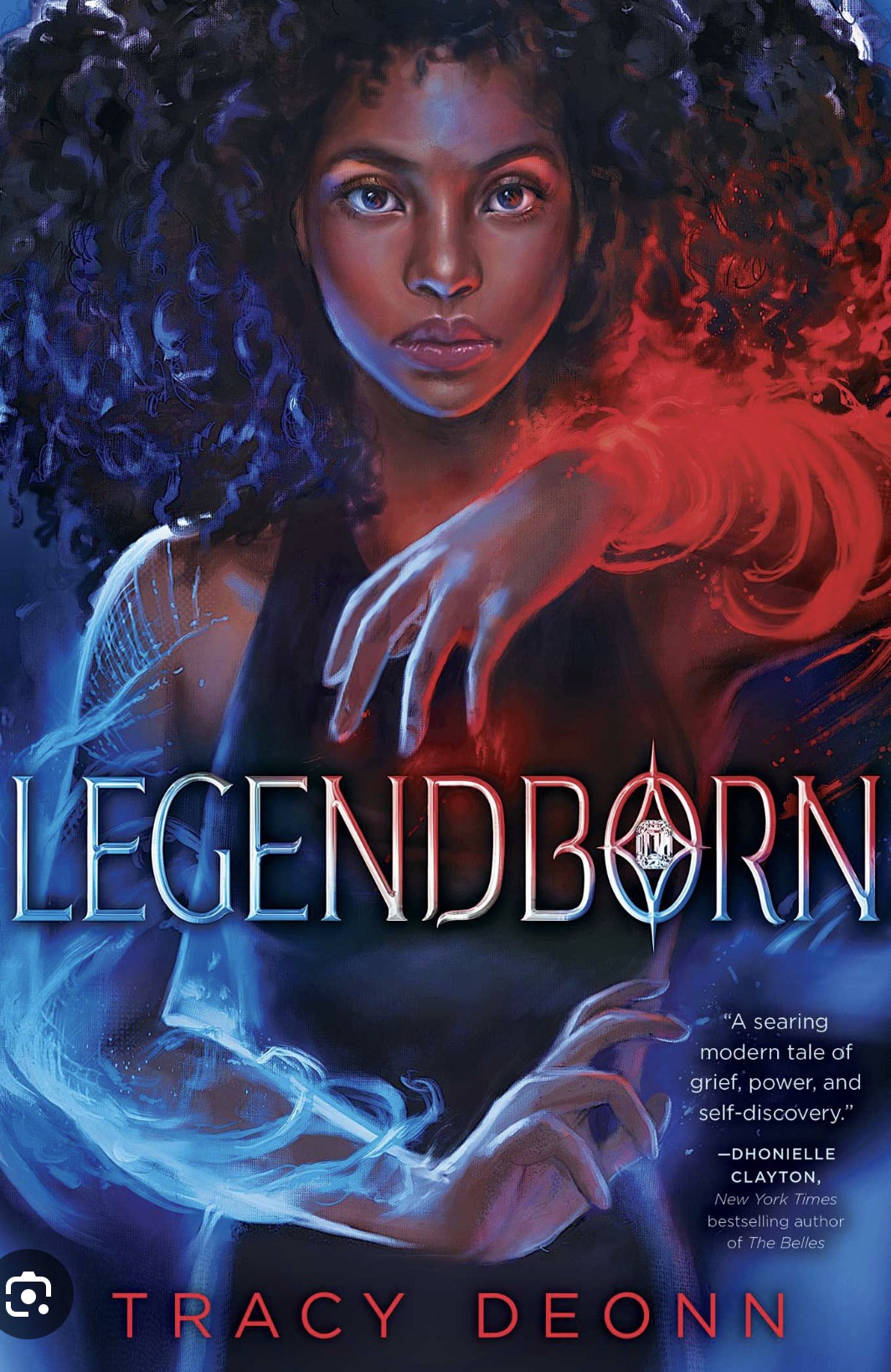
3. Legendborn by Tracy Deonn

Screenshot

When sixteen-year-old Bree Matthews’s mother dies, she uncovers a secret magical society based on Arthurian legend and realizes her own family history holds a powerful magic of its own. Legendborn is a stunning mirror for Black girls who love fantasy, weaving Southern culture and the history of slavery into the very fabric of magic. It’s also a vital window for every other reader, powerfully reframing a classic legend to create something wholly new and deeply necessary.

4. The House in the Cerulean Sea by T.J. Klune

This book is a warm hug for anyone who has ever felt like an outsider, and it’s a particularly powerful mirror for LGBTQ+ readers looking for gentle, hopeful fantasy. It follows a by-the-book caseworker, Linus Baker, as he investigates an orphanage of magical children and discovers the transformative power of found family. It’s a beautiful and tender story about choosing kindness over prejudice and finding where you truly belong..

5. Fourth Wing by Rebecca Yarros

This book is an absolute phenomenon, and one of its most powerful elements is its main character, Violet Sorrengail, who lives with a chronic illness that makes her body more fragile than others. In a brutal dragon-riding war college where weakness is a death sentence, Violet’s fight to not just survive but thrive is an incredible mirror for anyone living with a disability or chronic condition. It’s a fierce, powerful story about finding strength in resilience, not just in physical ability.


These books are more than just great stories; they are proof that the best fantasy reflects everyone. They create a world where more of us can see ourselves as the hero, ready for our own adventure.

What books have been powerful mirrors for you? I’d love to hear about the stories that made you feel truly seen in the comments below!