What’s Your Writing Research Style?

DaVinciCodeA few years ago, when I read The DaVinci Code by Dan Brown, I was struck by how the depth of his research made his story so appealing. He had obviously deeply studied the legends around the historical buildings and objects he mentioned, as well as their recorded history. And when Robert Langdon found something new in these famous objects that millions of eyes had viewed but never noticed, I felt a tangible thrill of discovery. It reminded me of reading Nancy Drew when I was younger – it felt like an adventure that anyone could stumble upon, like secret passages are around every corner and the world is a mysterious, exciting place.
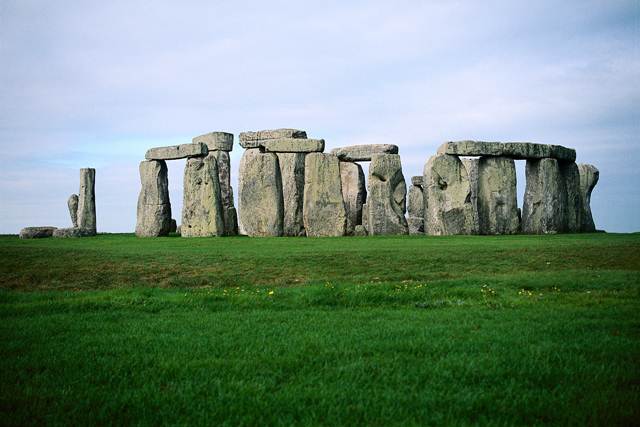
stonehengePlaces with history are particularly fascinating to me. Whether it’s more myth than reality, like the legend of Atlantis, or real-life architectural marvels, like the Great Pyramid, I find myself researching everything I can on these topics. When I included the Great Pyramid and Stonehenge in my first novel of The Conjurors series, I rented videos from the library, scoured the Internet, and even interviewed friends who had visited the monuments. I learned a ton of information that I never used when I wrote my book, but a few intriguing details sparked my imagination and made my story much richer.

I’m deep in the midst of writing the second book, and I feel almost guilty that I’m not taking the same amount of time to do research on the places I’m writing about. Instead I’m relying on my imagination and a setting that best suits the plot I’m writing about, rather than embedding the story in actual facts or legends. I’m happy with what I’ve written so far, but it has me second-guessing myself. Am I taking the easy way out? Should I return to my research roots? Or is it okay to let my imagination take the lead this time?

100,000 Words in 100 Days

shutterstock_77716045Lately I’ve been fighting with myself. There are so many excuses not to write every day – I have a toddler with a virus every other week, a demanding day job, and family and friends that I want to spend time with. At the end of the day I’m so tired that I feel like eking out an ounce of creativity would be like squeezing water from a rock.

But on the other hand, I’m a happier person when I write. Suddenly on my commute to work instead of being annoyed with the traffic, I’m imagining scenes that I’m working on. I feel more attuned to what’s going on around me, because I never know where inspiration might strike. And when I wake up in the middle of the night, instead of stressing about a deadline the next day, it’s because I just solved an important plot puzzle that had been nagging me.

I’ve always been a person who likes to have a solid goal, so I’ve made the decision that I will write every day, no excuses, for 100 days. With some luck, I hope to have a very rough first draft of the second book in my series completed at the end of that time. Hopefully at the end I’ll have something solid that I can edit, and my sanity will still be intact. Wish me luck.

Falling in Love on the Page

Picture1I’m writing the second book in my series, The Conjurors, and my main character is falling in love. Writing this in a way that feels real and conveys the power and passion of love when you’re 16 has been exceptionally hard for me to do well. If I keep it too minimal, readers won’t have an emotional investment in the relationship. But take it over the top, and it starts to feel like a cheesy romance novel.

Not to be controversial, but my one gripe with J.K. Rowling‘s Harry Potter (of which I’m a HUGE fan) was that I never felt invested in Harry and Ginny. Hermione and Ron, I was totally rooting for. But somehow I always felt like Harry deserved a more compelling love story.

At the other extreme, Stephanie Meyer‘s Twilight series hit a nerve with YA girls for the romance, but for the rest of us who were looking for more substance to the world and the action surrounding that story, the series was disappointing.

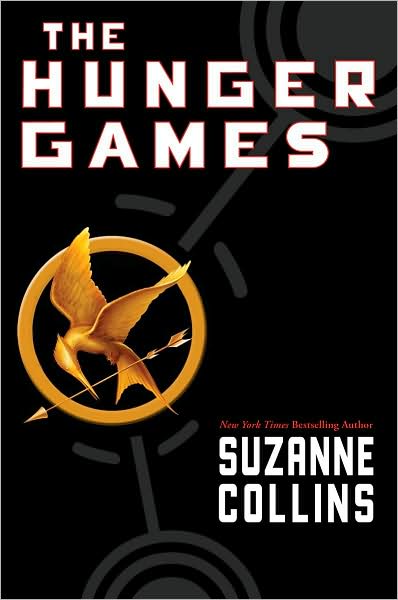
hungergamesSo how do writers find the right balance? I think that The Hunger Games by Suzanne Collins did a great job of weaving a dynamic love triangle with a gripping story. It gave the series an emotional center that made the stakes higher and the consequences more poignant.

What YA books do you think have done an exceptional job with romance?

What’s your writing playlist?

shutterstock_121057780I love playing music while I’m intensively writing. Years ago when I wrote a Christmas movie, I blared Christmas carols for four months straight. To this day when I hear certain Christmas songs I start having the itch to grab a pen.

But when I was writing Into the Dark, I received a different kind of inspiration from one song on my playlist, Viva la Vida by Coldplay. The song is about someone who falls from power, and the mood of the song subconsciously became associated with one of the characters I was writing. Suddenly his personality was just like the song, bittersweet and self-reflective. I didn’t completely understand what I was doing until I was listening to the song in the car one day and imagining key scenes from the character’s life in association with different verses.

Realizing how affected I am by what I’m listening to, I make very specific, tailored playlists based on which scenes I’m writing. Sometimes I have to make purely instrumental playlists so the lyrics don’t distract me.

What’s your writing playlist?

Attempting to Channel the Bard

NEW121I was 13 when I discovered William Shakespeare’s A Midsummer Night’s Dream, and it changed my life. I had always loved writing, but when I encountered his words and saw how poetry and fantasy could merge together, I knew I found something special. It’s been almost two decades since then, but Shakespeare remains the biggest inspiration in my life. The best thing about Shakespeare is that you never run out of angles to analyze, from word choice to character development to plot.

When I developed the Globe, which is the world in my YA fantasy series The Conjurors, I named most of the major countries after locations from my favorite Shakespeare plays. The atmosphere of the play that the location came from inspired how I felt about the people who lived there.

Arden is the capital of the Globe, named after the forest in As You Like It. It is the home of my main character, Valerie, when she travels to the Globe from Earth. In As You Like It, Arden is a forest, a place of possibility, where the rules that apply to the civilized world can be bent. It is a place of art and philosophy and love, which is why I made it the beating heart of the Globe.

The mountains of Dunsinane are where the villain of the story, Reaper, lurks. Dunsinane is where much of the action in Macbeth occurs, and that play has such a heavy darkness to it that I felt it reflected the depth of evil that Reaper is capable of. To me, just hearing the name “Dunsinane” sends chills down my back, and I think of ruthless ambition and decaying morality.

Other countries inShakespeareclude Messina, from Much Ado About Nothing, a land where the people have forbidden the use of magic, and Elsinore, from Hamlet, where royalty and betrayal are the obsessions of the people.

Using these plays as inspiration gives me a sense of place when the characters in my stories travel from land to land. The countries are strongly differentiated in my mind, which makes it easier to create cultures that are unique, but somehow fit together enough that it is realistic that they could all inhabit the same world.

What makes a fantasy world feel real to you?

Let the plotting begin…

A course more promising / Than a wild dedication of yourselves / To unpathed waters, undreamed shores ~William Shakespeare Winter’s Tale, Act IV, Scene 4

Life is never more interesting for me than when I’m plotting out a novel. Suddenly, everything I encounter feels like inspiration. Watching my husband beat a video game, a news article on an exciting archeological dig in Egypt, or a friend’s work horror story all fill my mind like puzzle pieces begging to be put together to show me a bigger picture.

The characters come first – a name, a face, a mannerism. Soon I’m wondering what advice they’d give me about a coworker who is trying to sabotage me, or thinking about how they would react if they woke up in a completely new world. Would they panic? Or would they relish the adventure?

Next, I sense connections between the characters, how their personalities fit together. Romance and rivalries start to emerge, and I find myself empathizing with one character above the others. I’m rooting for that person to win and be happy, logically aware I’m rooting for a figment of my own imagination, but emotionally invested anyway.

Last comes the action. This is my favorite part. On the outside, I’m living my life as usual, driving to work, sitting in meetings, cooking dinner. But as my body goes through the motions, I’m really watching a movie unfold in my mind. The movie stops and starts, rewinds and zips to the end, only to wind up back where I left off. I start to feel like I’m living two lives, one in the real world and one in my head, but I know one thing for sure. Life is thrilling and full of possibilities.

When you are writing a new story, how does your creative process begin?